
Essential Movements Every Tea Ceremony Beginner Should Know
Walking into a traditional Japanese tea room for the first time can feel intimidating. You might worry about making mistakes, offending your host, or simply not knowing what to do with your hands. But here’s a reassuring secret: tea ceremony hosts understand that you’re learning, and they genuinely welcome your sincere effort over perfect execution.
Tea ceremony (chado or sadō) is built on precise movements that have been refined over centuries. While mastery takes years, understanding five essential movements will help you participate with confidence and respect. These aren’t just physical actions—each gesture carries meaning and contributes to the meditative atmosphere of the ceremony.
1. Walking: The Art of Suriashi (Sliding Steps) in Tea Ceremony
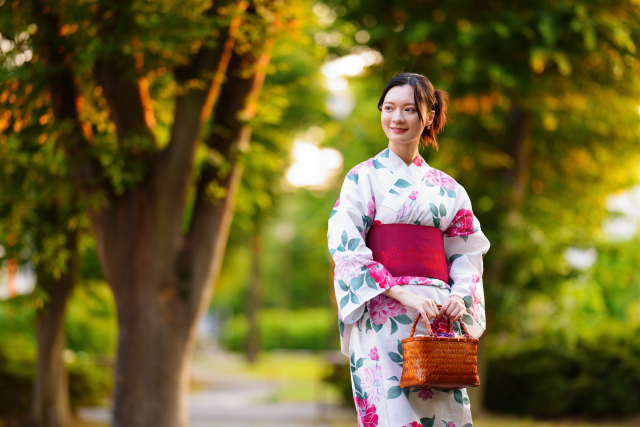
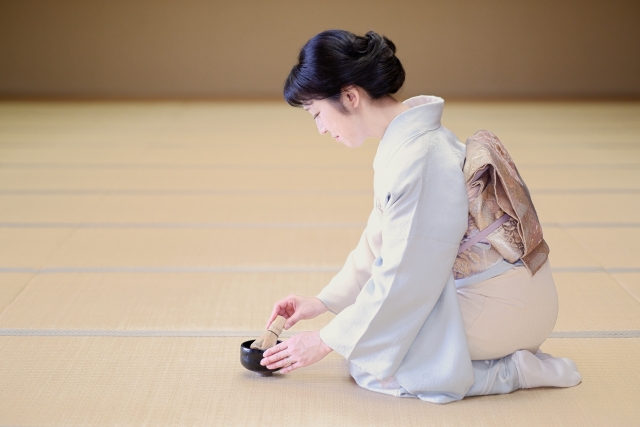
In a tea room, you don’t walk the way you normally would. Instead, you practice suriashi—a gliding movement where your feet barely leave the tatami mat floor. Think of it as a smooth shuffle rather than distinct steps.
How to do it:
- Keep your knees slightly bent
- Slide your feet along the floor surface
- Move quietly and deliberately
- Avoid lifting your heels high
Why it matters: This walking style serves multiple purposes. Practically, it prevents you from tripping on your kimono (if wearing one) and protects the delicate tatami. Spiritually, it slows you down, bringing your attention to each moment and creating a sense of calm throughout the room. The soft sound—or rather, the near-silence—contributes to the peaceful atmosphere.
Common mistake: Rushing or taking large steps. Remember, tea ceremony is about mindfulness, not efficiency.
2. Sitting: Seiza Position and Alternatives
The traditional sitting position in tea ceremony is seiza—kneeling with your legs folded beneath you, sitting on your heels. For many Westerners unfamiliar with floor sitting, this can be challenging at first.
How to do it:
- Kneel with your knees together (for women) or slightly apart (for men)
- Tuck your toes under with the tops of your feet flat on the tatami
- Sit back onto your heels
- Keep your back straight, hands resting on your thighs
- Distribute your weight evenly
Why it matters: Seiza creates equality among participants—everyone sits at the same level, regardless of status. It also promotes good posture and mindful awareness of your body.
Important note for beginners: If you have knee problems or find seiza too painful, it’s perfectly acceptable to ask for a small stool (seiza bench) or to sit cross-legged. Hosts would much rather you be comfortable and present than suffering in silence. Many tea houses catering to international visitors keep these accommodations readily available.
Practical tip: Practice sitting in seiza for short periods before your tea ceremony. Start with 5 minutes and gradually build up your tolerance. Your legs will likely fall asleep the first few times—this is completely normal!
3. Bowing: Different Depths for Different Meanings
Bowing in tea ceremony is an art form with several variations, each expressing a different level of respect and gratitude.
The three main bows:
Light bow (eshaku): Upper body inclines about 15 degrees. Used for casual acknowledgments.
Medium bow (keirei): Upper body bends about 30 degrees. The most common bow in tea ceremony, used when receiving tea or expressing thanks.
Deep bow (saikeirei): Upper body bends about 45 degrees, hands placed flat on the tatami in front of you. Reserved for the most formal moments, such as entering and exiting the tea room.
How to bow properly from seiza:
- Place your hands on your thighs
- For deeper bows, slide your hands forward onto the tatami
- Bend from your waist, keeping your back straight
- Pause briefly at the lowest point
- Rise smoothly back to upright position
- Return your hands to your thighs
Why it matters: Bowing expresses gratitude, respect, and humility. In tea ceremony, you’ll bow to the host for their preparation, to fellow guests for sharing the experience, and to the tea implements themselves in recognition of their role in the ceremony.
4. Handling the Tea Bowl: Rotation and Appreciation in Tea Ceremony
When the host places a tea bowl before you, there’s a specific way to receive, drink from, and return it. This is perhaps the movement that confuses beginners most, but it’s quite logical once you understand the reasoning.
The complete sequence:
Receiving:
- Bow to the host
- Bow to the next guest (acknowledging they’re waiting)
- Pick up the bowl with your right hand
- Place it on your left palm
- Support the side with your right hand
Appreciating:
- Before drinking, take a moment to admire the bowl
- Look at the front (the side facing you, often the most beautiful part)
- The front is called the “face” (shōmen) of the bowl
Rotating:
- Rotate the bowl clockwise twice (about 180 degrees total)
- This turns the “face” away from you
- You never drink from the front out of respect for the artistry
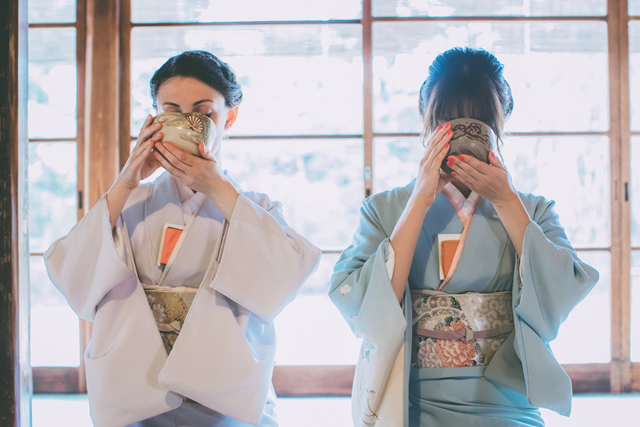
Drinking:
- Bring the bowl to your lips
- Take 3-4 sips (traditionally ending with a audible slurp on the last sip)
- Wipe the rim where your lips touched with your right thumb and forefinger
Returning:
- Rotate the bowl counter-clockwise to return the “face” toward you
- Set it down to admire once more
- Return it to the host with the face toward them
Why it matters: Every step shows respect—for the craftsperson who made the bowl, for the host who selected it, and for the other guests. The rotation ensures you don’t put your lips where the beautiful glaze pattern sits.
5. Entering and Exiting: The Nijiri-guchi (Crawling Entrance)
Traditional tea rooms have a small entrance called nijiri-guchi, typically only about 60cm tall. Everyone—regardless of social status—must bow low and “crawl” through this entrance.
How to enter:
- Remove your shoes before approaching (place them neatly facing outward)
- Kneel before the entrance
- Place your hands on the floor inside the room
- Lower your head and shoulders through the opening
- Pull your legs through, entering on your knees
- Turn and close the door quietly behind you
- Perform a deep bow to the alcove (tokonoma)
Why it matters: This humble entrance serves as a powerful equalizer and a threshold between the ordinary world and the sacred space of the tea room. By bowing low, you physically embody humility. You also leave behind your concerns and social status, entering as a pure participant in this shared experience.
Modern adaptation: Many tea houses for tourists have regular-sized doors. The symbolic meaning remains—you’re crossing into a special space that deserves your full respect and attention.
Learning These Movements at Tea Ceremony Canon Kyoto
If you’re eager to practice these movements in a welcoming, beginner-friendly environment, Tea Ceremony Canon Kyoto offers an ideal setting for international visitors. Located just a one-minute walk from the famous Fushimi Inari Shrine, Canon Kyoto specializes in teaching tea ceremony to English-speaking travelers with no prior experience.
What sets Canon Kyoto apart is their patient, step-by-step approach to teaching each movement. Their instructors understand the physical challenges these positions present for people unfamiliar with floor sitting and kneeling. They’ll guide you through proper suriashi, help you find a comfortable sitting position (with alternatives to seiza if needed), and carefully explain the reasoning behind each bow and gesture.
The studio also offers kimono rental on-site, which adds an extra dimension to learning these movements. When you’re dressed in traditional clothing, the movements suddenly make more sense—you understand why suriashi prevents tripping on long fabric, and why certain sitting positions work best with kimono.
After your lesson, you’re perfectly positioned to practice your new suriashi technique on the path to Fushimi Inari’s iconic torii gates. Walking mindfully through that mystical corridor of vermillion gates becomes an extension of your tea ceremony practice.
Embrace the Learning Process
Remember, even Japanese people who study tea ceremony spend years perfecting these movements. You’re not expected to be perfect—you’re expected to be present, respectful, and willing to try.
Here’s what hosts truly appreciate:
- Sincere effort over flawless execution
- Mindful attention to what you’re doing
- Respect for the ceremony and other participants
- Willingness to learn and accept guidance
And here’s what they understand:
- Your legs might fall asleep
- You might lose your balance
- You might forget which direction to rotate the bowl
- You might need to stretch your legs during the ceremony
All of this is okay. In fact, your fresh perspective and genuine curiosity bring their own value to the ceremony.
Practice Makes Progress
Before your trip to Japan, you can prepare by:
- Practicing sitting in seiza for short periods
- Working on your posture and body awareness
- Learning to move slowly and deliberately
- Watching videos of tea ceremonies to familiarize yourself with the flow
But don’t stress about achieving perfection. The beauty of tea ceremony lies in the journey of learning, not in flawless performance. Each movement you learn brings you deeper into understanding the philosophy behind the practice.
When you finally sit in that tea room, hold that warm bowl in your hands, and bow with newfound awareness, you’ll understand that these aren’t just movements—they’re a language of respect, a meditation in motion, and a bridge connecting you to centuries of tradition.
Ready to learn these movements yourself? Your journey into the world of tea ceremony awaits, one careful step, one mindful bow, one rotation of the tea bowl at a time.
Canon Kyoto Tea Ceremony Booking
Please Select Your Booking Option:
🇺🇸 English Booking Form
If you’re comfortable proceeding in English,
you can complete your reservation using the booking form below.
🌐 Multilingual Booking Page
If you’d prefer to view the booking page in your native language,
please click here to access our Multilingual Booking Form.


