
Omotenashi in Business: Tea Ceremony Lessons for Professional Life
In recent years, the Japanese concept of omotenashi (おもてなし) has gained international attention, particularly after Tokyo’s 2020 Olympic bid highlighted it as a defining characteristic of Japanese culture. But what exactly is omotenashi, and more importantly, how can its principles—refined through centuries of tea ceremony practice—transform how you approach professional relationships, customer service, and leadership?
Understanding Omotenashi
Omotenashi is often translated as “hospitality,” but this English word doesn’t capture the depth of the concept. Unlike Western hospitality, which might focus on meeting stated needs and providing friendly service, omotenashi goes several steps further:
- Anticipating needs before they’re expressed
- Attending to details others might overlook
- Serving without expectation of reciprocation or recognition
- Creating an experience where the guest feels truly valued
- Preparing thoroughly behind the scenes so the experience appears effortless
The word itself breaks down into omote (public face/surface) and nashi (without)—suggesting service given without pretense or ulterior motive. It’s genuine care expressed through action.

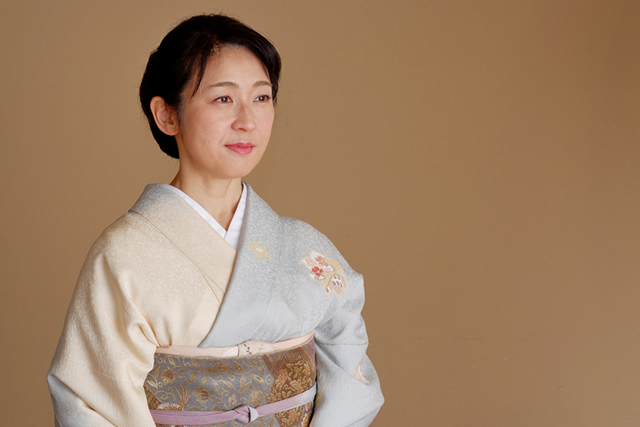
Omotenashi in Tea Ceremony
Tea ceremony is perhaps the purest expression of omotenashi. Every aspect demonstrates the principles that business professionals can learn from:
Before guests arrive:
The host has:
- Considered the season, weather, and occasion
- Selected the scroll, flowers, and utensils to create harmonious aesthetic
- Cleaned every corner of the tea room and garden path
- Prepared sweets that complement the tea
- Thought about each guest’s preferences and needs
- Arranged the tea room so everything flows smoothly
- Prepared mentally and spiritually to be fully present
This preparation might take hours for a ceremony lasting 30 minutes. Most of this work is invisible to guests—they simply experience the result.
During the ceremony:
The host:
- Moves with deliberate grace, never rushing
- Maintains awareness of each guest’s comfort
- Adjusts to unexpected situations seamlessly
- Creates space for conversation to flow naturally
- Never draws attention to their own effort
- Makes each guest feel they are the sole focus of attention
After guests leave:
The host:
- Reflects on what went well and what could improve
- Cleans and cares for utensils
- Considers what was learned from the experience
This isn’t transactional—there’s no immediate reciprocation expected. The host finds satisfaction in creating a meaningful experience for others.
Seven Business Principles from Tea Ceremony Omotenashi
1. Anticipation Over Reaction
In tea ceremony: The host places a cushion before a guest needs to ask, notices when someone looks cold and adjusts the temperature, prepares alternative seating for those who can’t sit in seiza.
In business: Don’t wait for problems to arise or customers to complain. Proactively identify potential issues and address them. Monitor client needs and industry changes. Be the professional who thinks three steps ahead.
Example: Before a client meeting, research their recent challenges. Prepare materials addressing questions they haven’t yet asked. Anticipate objections and have thoughtful responses ready.
2. Attention to Detail
In tea ceremony: Every element matters—the way the fukusa is folded, how the tea bowl is positioned, the exact angle of the chashaku in the natsume. Nothing is random or careless.
In business: Details communicate respect and professionalism. Error-free documents, punctuality, remembering names, consistent follow-through—these signal you value the relationship.
Example: When sending a proposal, check formatting consistency, ensure all links work, personalize the greeting, include relevant case studies. Details demonstrate care.
3. Invisible Effort
In tea ceremony: Guests see only the graceful ceremony, not the hours of preparation, practice, and planning that preceded it.
In business: Great service appears effortless to clients. They shouldn’t see your internal struggles or how hard you worked—they should simply receive excellent results seamlessly.
Example: When presenting to a client, they see a smooth, confident presentation. They don’t need to know you rehearsed ten times, consulted three colleagues, and stayed late researching. The effort stays backstage.
4. Creating Harmony (Wa)
In tea ceremony: The host harmonizes all elements—utensils, season, guests, atmosphere—into a cohesive experience where nothing clashes or dominates.
In business: Create environments where teams collaborate effectively, where customer interactions feel balanced, where business goals align with values. Harmony doesn’t mean absence of tension—it means thoughtful integration of diverse elements.
Example: When leading a team meeting, balance different personalities, ensure everyone contributes, bridge gaps between departments, and create space for constructive disagreement without chaos.
5. Respect (Kei) for All
In tea ceremony: Every participant is treated with equal respect regardless of social status. The scroll, utensils, even the tea itself receives respectful treatment.
In business: Respect everyone—from interns to CEOs, challenging clients to easy ones, vendors to competitors. Respect shows in tone, punctuality, how you listen, and how you speak about others.
Example: Respond to emails from junior colleagues with the same thoughtfulness you give senior executives. Acknowledge receptionists, assistants, and support staff. Respect builds relationships and reputation.
6. Mindful Presence
In tea ceremony: The host is completely present, attending fully to the moment and the guests, not thinking about the next appointment or yesterday’s problems.
In business: In meetings, truly listen rather than planning your response. When with clients, be fully there. Mindful presence makes people feel valued and builds trust.
Example: During one-on-ones, close your laptop, silence your phone, make eye contact. Give your colleague 30 minutes of undivided attention rather than multitasking through an hour.
7. Continuous Improvement (Kaizen)
In tea ceremony: Even masters with decades of experience continue learning, refining technique, and seeking deeper understanding. There’s always room to improve.
In business: Constantly reflect on what you could do better. Seek feedback. Learn new skills. Yesterday’s excellence becomes tomorrow’s baseline.
Example: After each client presentation, note what worked and what didn’t. Ask colleagues for honest feedback. Read, train, observe others. Small, consistent improvements compound.


Practical Applications Across Business Contexts
Customer Service:
- Anticipate common questions and proactively provide information
- Remember regular customers’ preferences
- Empower staff to solve problems without bureaucracy
- Create small touches that make customers feel special
- Follow up after sales to ensure satisfaction
Sales and Client Relations:
- Research clients thoroughly before meetings
- Customize presentations to their specific challenges
- Listen more than you talk
- Think long-term relationship, not just the immediate sale
- Be honest about limitations or when you’re not the right fit
Leadership and Management:
- Notice when team members are struggling and offer support
- Celebrate successes publicly, address issues privately
- Remove obstacles from your team’s path
- Model the behavior you expect
- Invest in developing your people
Project Management:
- Build buffers for unexpected issues
- Communicate proactively, not just when problems arise
- Consider all stakeholders’ needs
- Prepare contingency plans
- Document thoroughly for future reference
Negotiations:
- Seek win-win outcomes, not victories
- Understand the other party’s deeper needs
- Be patient and don’t rush
- Maintain respect even when disagreeing
- Think about the relationship beyond this deal
The Mindset Shift
Implementing omotenashi in business requires a fundamental mindset shift:
From: What does the customer want? To: What does the customer need that they haven’t yet realized?
From: Did we meet the requirements? To: Did we exceed expectations in meaningful ways?
From: How can we maximize profit? To: How can we create lasting value and relationships?
From: That’s not my job. To: How can I contribute to a better outcome?
This doesn’t mean being a pushover or working unsustainable hours. It means approaching work with intentionality, care, and a genuine desire to create value for others.


The Business Case for Omotenashi
Beyond being “the right thing to do,” omotenashi drives business results:
Customer loyalty: Customers who feel genuinely valued become repeat clients and advocates.
Premium pricing: Exceptional service commands premium prices. People pay more for experiences, not just transactions.
Employee satisfaction: Working in an omotenashi culture is more fulfilling, reducing turnover and increasing productivity.
Brand differentiation: In commoditized markets, omotenashi sets you apart when products are similar.
Crisis resilience: Strong relationships built through omotenashi weather difficult times better.
Word of mouth: Exceptional experiences generate organic marketing more powerful than advertising.
Omotenashi practiced at Tea Ceremony Canon Kyoto
Our tea ceremony instruction adapts to each guest’s learning pace, with certified staff providing personal guidance in English for beginners. We create a welcoming atmosphere where questions are encouraged and cultural understanding deepens naturally.
Our kimono rental service includes professional fitting by nationally certified staff, complimentary hair styling, and hotel return service—allowing you to explore Kyoto freely while we handle the details. Every aspect anticipates your needs before you ask.
Starting Your Omotenashi Practice
You don’t need to transform your entire organization overnight. Begin with personal practice:
This week:
- Choose one client or colleague to focus on
- Research their current projects and challenges
- Anticipate one need and address it proactively
- Pay attention to one detail you usually overlook
This month:
- Reflect after each meeting on what you could have done better
- Notice when others demonstrate omotenashi and learn from them
- Practice being fully present in one interaction daily
- Identify a process you can improve behind the scenes
This quarter:
- Build omotenashi principles into one team process
- Train team members on anticipation and attention to detail
- Measure long-term relationship metrics
- Seek feedback on how your approach has changed
Beyond Technique to Philosophy
Ultimately, omotenashi isn’t a set of techniques—it’s a philosophy about how you relate to others. Tea ceremony practitioners don’t perform omotenashi to get something back or because it’s required. They do it because creating meaningful, beautiful experiences for others is inherently valuable.
When you bring this philosophy to business, work transforms from transactions to relationships, from extracting value to creating it, from short-term gains to lasting legacy.
The tea is prepared with care. The guest receives more than matcha—they receive attention, respect, and genuine welcome. This is omotenashi: not a script to follow, but a spirit to embody. In the tea room and the boardroom alike, it transforms the ordinary into the meaningful.
Canon Kyoto Tea Ceremony Booking
Please Select Your Booking Option:
🇺🇸 English Booking Form
If you’re comfortable proceeding in English,
you can complete your reservation using the booking form below.
🌐 Multilingual Booking Page
If you’d prefer to view the booking page in your native language,
please click here to access our Multilingual Booking Form.


