Tea Ceremony Goes Global: How Foreigners Discover Cha-no-yu
Walk into a tea ceremony classroom in New York, London, or São Paulo, and you might be surprised to see students carefully whisking matcha, practicing their bows, and discussing the principles of wabi-sabi—all thousands of miles from Japan. Tea ceremony (cha-no-yu or chado) has quietly gone global, attracting dedicated practitioners who find in this Japanese tradition something profoundly meaningful that transcends cultural boundaries.
But what draws people from completely different cultural backgrounds to study an art form so deeply rooted in Japanese aesthetics and Zen Buddhism? And what does tea ceremony become when it crosses oceans and adapts to new contexts?

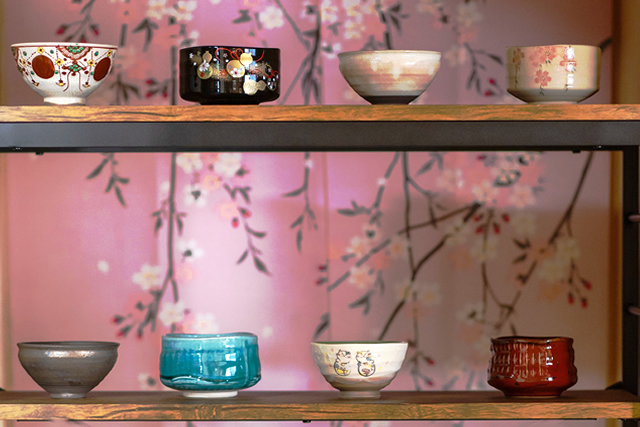
The Global Spread of Tea Ceremony
Tea ceremony’s international journey began in earnest in the mid-20th century, though earlier seeds were planted by diplomats, scholars, and cultural ambassadors.
Key moments in tea ceremony’s globalization:
1950s-1960s: Post-war cultural exchange programs introduced tea ceremony to Americans and Europeans. The Urasenke school in particular began actively teaching foreigners.
1970s-1980s: Established tea schools opened branches in major Western cities. The first generation of serious non-Japanese practitioners began teaching.
1990s-2000s: The internet enabled global communities to connect, share knowledge, and organize. Tea utensils became more accessible internationally.
2010s-Present: Social media, particularly Instagram and YouTube, exposed millions to tea ceremony’s aesthetics. Matcha became globally popular, creating interest in its ceremonial origins.
Today, tea ceremony is practiced on every continent. Major cities have multiple tea schools and practice groups. Some practitioners have studied for decades, achieving teaching ranks rarely held by non-Japanese.
Current global presence:
- United States: Hundreds of teachers across the country, with strong communities in California, New York, and Hawaii
- Europe: Active communities in UK, France, Germany, Italy, and Eastern Europe
- South America: Growing interest, particularly in Brazil (which has the largest Japanese diaspora population outside Japan)
- Australia and New Zealand: Well-established practice communities
- Asia: Interest in China, Korea, Singapore, and other Asian countries
- Middle East and Africa: Emerging communities in unexpected places
What Draws Foreigners to Tea Ceremony
When non-Japanese practitioners describe why they study tea ceremony, certain themes emerge repeatedly:
A Refuge from Modern Life:
Many practitioners describe tea ceremony as a space where time slows down. In contrast to modern life’s emphasis on speed, efficiency, and multitasking, tea ceremony offers the revolutionary experience of doing one thing completely, with full attention. This deliberate pace provides a counterbalance to our accelerated world, creating a sanctuary for those overwhelmed by digital distraction and constant stimulation.
Aesthetic Philosophy:
Practitioners from creative fields—design, architecture, and art—often report that encountering wabi-sabi through tea ceremony shifts their understanding of beauty and design. The principle that imperfection can be more beautiful than perfection frequently influences their professional work in profound ways.
Mindfulness Practice:
For those who struggle with seated meditation, tea ceremony offers an alternative approach. The movements provide restless energy somewhere to go, making meditation more accessible. Many practitioners find they can achieve meditative states while engaged in purposeful action more easily than while sitting still.
Spiritual Depth Without Dogma:
The non-dogmatic nature of tea ceremony appeals to practitioners seeking spiritual practice without prescribed beliefs. Because the practice is experiential rather than doctrinal, it welcomes people from diverse religious and philosophical backgrounds.
Cultural Bridge:
For people with connections to Japan—through work, family, or interest—tea ceremony provides deep cultural insight. Understanding tea ceremony often illuminates broader aspects of Japanese aesthetics, social interactions, and values.
Artistic Expression:
The creative dimension of tea ceremony attracts those seeking artistic expression. Each tea gathering becomes a carefully curated experience where the host combines visual arts, performance, and sensory elements to create a specific aesthetic atmosphere.
Human Connection:
Many practitioners report forming unusually deep friendships through tea ceremony. The experience of sharing silence, creating beauty together, and serving each other with care creates bonds that differ from typical social interactions. This communal aspect holds particular meaning in increasingly isolated modern societies.
How Tea Ceremony Adapts Internationally
As tea ceremony spreads globally, interesting adaptations emerge—some controversial, others widely accepted:
Physical Adaptations:
- Using chairs or benches for those unable to sit in seiza
- Modified rooms that approximate tea room aesthetics in Western architecture
- Hybrid spaces that blend Japanese and local aesthetic elements
Cultural Integration:
- Incorporating local seasonal flowers and scrolls with local poetry
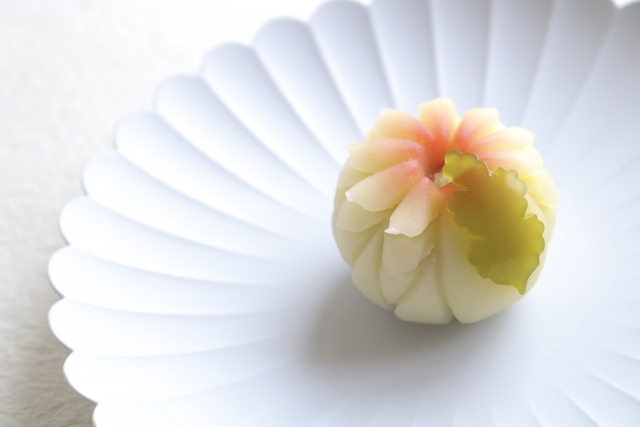
- Adapting sweets to use local ingredients while honoring Japanese aesthetics
- Hosting tea gatherings that acknowledge local festivals or events
Language Shifts:
- Teaching in local languages while preserving key Japanese terms
- Creating resources and literature in multiple languages
- Developing vocabulary to explain Japanese concepts in other cultural frameworks
Social Adjustments:
- More flexible formality levels appropriate to different cultural contexts
- Different pacing and explanation styles suited to students with no cultural background
- Integration with local meditation or mindfulness communities
Innovation and Fusion:
Some practitioners explore creative fusions—tea ceremony with jazz music, outdoor tea in non-Japanese natural settings, contemporary art integrated with traditional practice. These experiments provoke debate: Is this evolution or dilution? Innovation or disrespect?
Voices from the Global Tea Community
On Cultural Appropriation vs. Appreciation:
Many foreign practitioners express consciousness about studying tea ceremony respectfully, acknowledging their position as cultural outsiders. The emphasis is typically on learning deeply rather than superficially, crediting Japanese teachers, and presenting oneself as a student rather than an expert in Japanese culture.
Some practitioners report that their Japanese teachers have explicitly framed tea ceremony not as Japanese property but as a gift to humanity, encouraging sincere practice and generous sharing. This perspective helps students commit fully without constant concern about cultural appropriation.
On Understanding Across Cultures:
Foreign practitioners sometimes observe that not being Japanese can actually help when explaining tea ceremony to other Westerners. Having crossed the cultural bridge themselves, they remember what initially confused them and which concepts needed extra explanation, allowing them to serve as cultural translators.
At the same time, many acknowledge that certain aspects may never be fully accessible without growing up Japanese, while recognizing that an outsider’s perspective can sometimes offer fresh insights that complement insider understanding.
On Community:
The international tea ceremony community is frequently described as supportive and welcoming. The shared experience of learning, making mistakes, and attempting to honor something larger than oneself creates a humble, collaborative atmosphere that transcends national boundaries.
On Personal Transformation:
Many practitioners describe tea ceremony as life-changing, teaching patience, attention to detail, appreciation for beauty, and respect for tradition—lessons that extend far beyond the tea room into all aspects of life.
Tea Ceremony Education for International Visitors
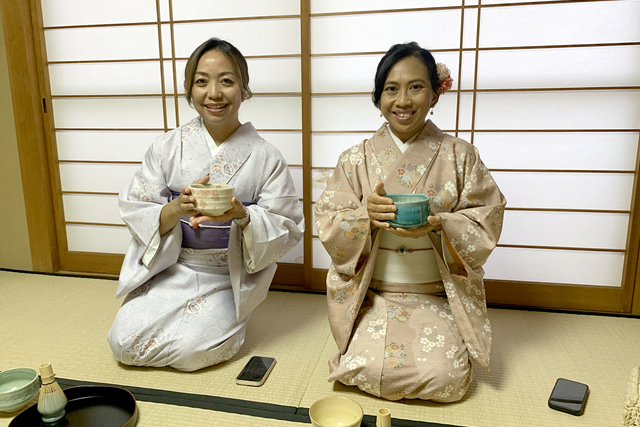
For travelers to Japan, experiencing tea ceremony offers a gateway to understanding this global phenomenon. But not all tea ceremony experiences are created equal—some cater primarily to tourists seeking photo opportunities, while others offer genuine introduction to the practice.
What makes quality instruction for foreigners:
- Clear English (or other language) explanation of philosophy and techniques
- Patience with physical challenges and cultural unfamiliarity
- Hands-on participation, not just observation
- Context about tea ceremony’s role in Japanese culture and global practice
- Welcoming atmosphere that doesn’t assume prior knowledge
- Instructors who understand what confuses beginners
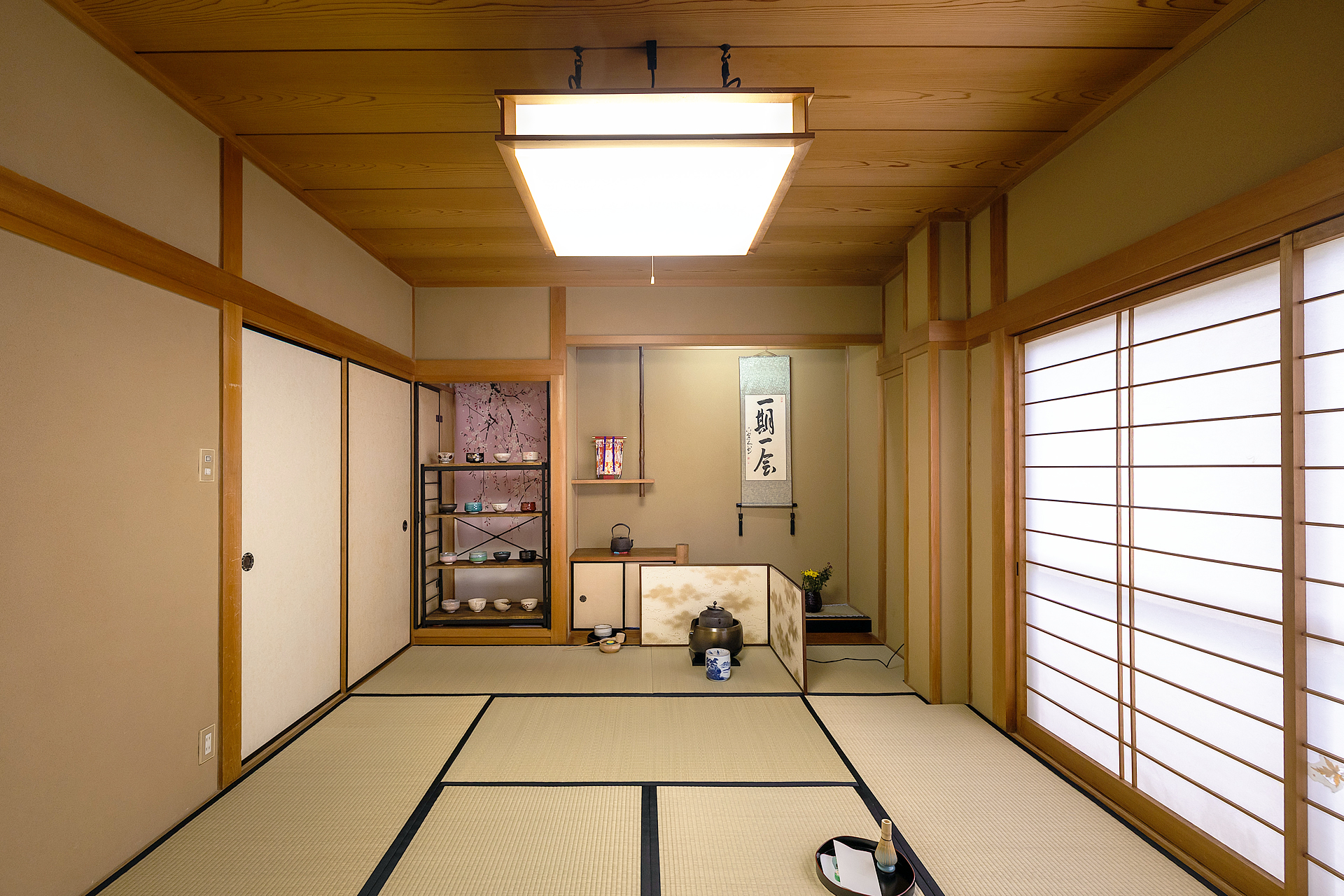
Tea Ceremony Canon Kyoto was specifically designed to serve international visitors seeking authentic tea ceremony experience. Located just one minute from Fushimi Inari Shrine, the studio specializes in teaching English-speaking travelers with no prior experience.
What distinguishes this approach is the explicit focus on cross-cultural education. The instructors understand that foreign visitors need different explanations than Japanese students—not simplified, but contextualized differently. They anticipate questions foreign students ask, explain concepts that might be assumed knowledge for Japanese learners, and create space for cultural dialogue.
This matters because many foreign practitioners trace their journey back to a meaningful first experience in Japan. That initial encounter—whether it sparks lasting practice or simply deepens cultural appreciation—shapes how people understand and relate to tea ceremony forever.
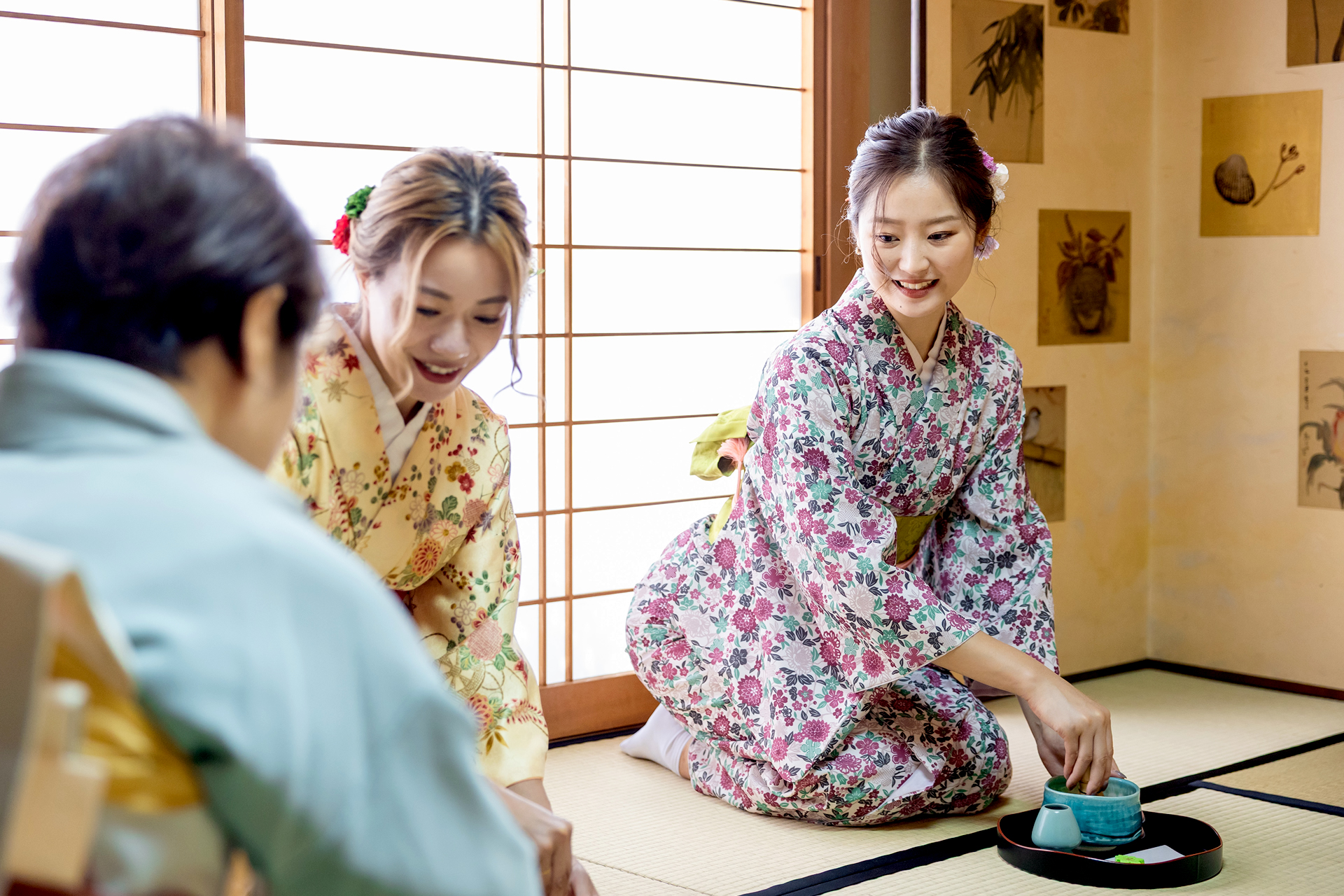
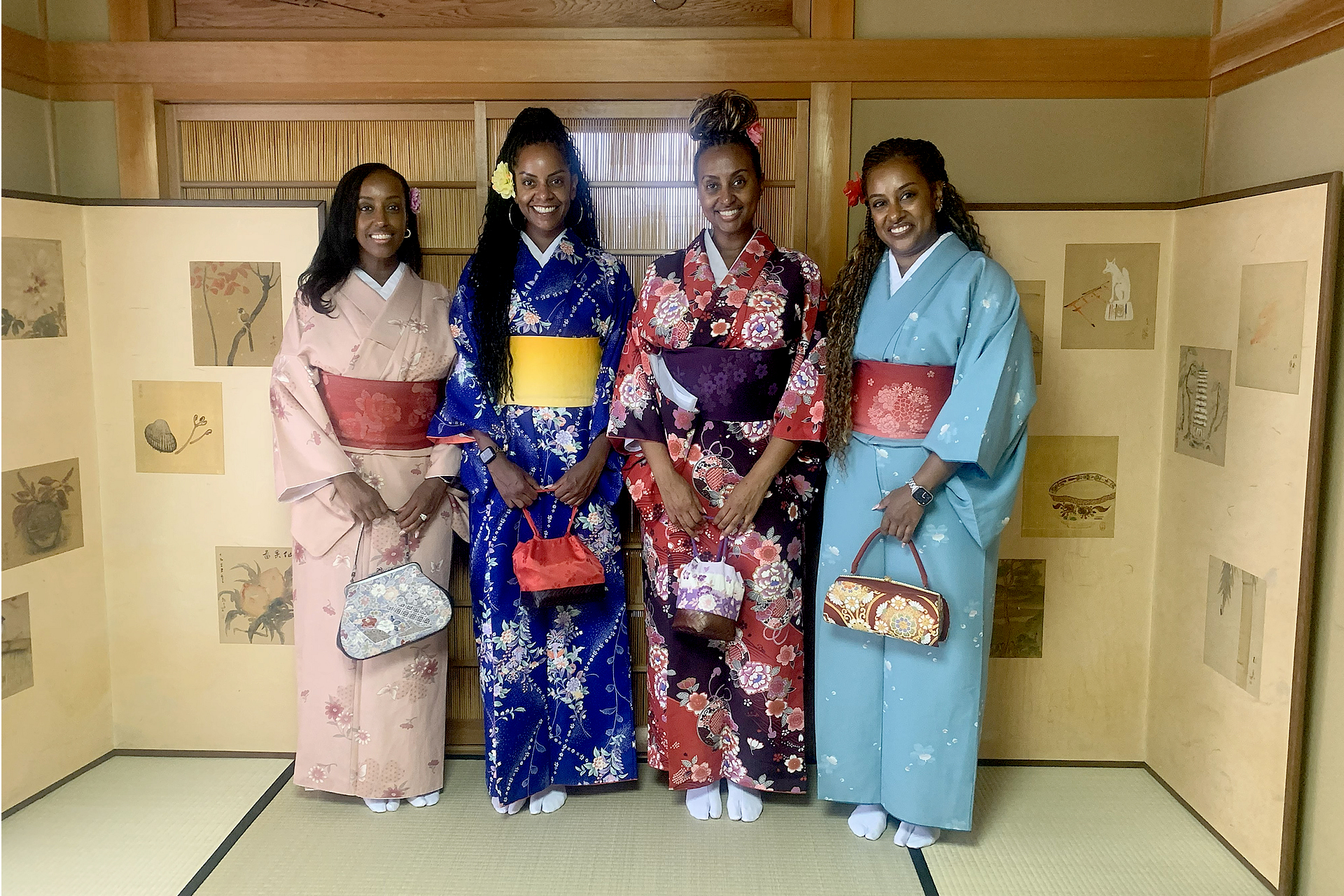
The combination of hands-on practice, kimono rental, and proximity to Fushimi Inari creates an immersive introduction. You’re not just watching tea ceremony demonstrated; you’re participating, dressed traditionally, in an environment rich with Japanese cultural and spiritual significance. This depth of experience helps foreign visitors understand why so many people worldwide dedicate years to studying this practice.
For those who discover a passion for tea ceremony during their visit, the instructors can provide guidance on continuing practice internationally—which schools teach abroad, how to find teachers, where to purchase supplies, and what resources exist for ongoing learning.
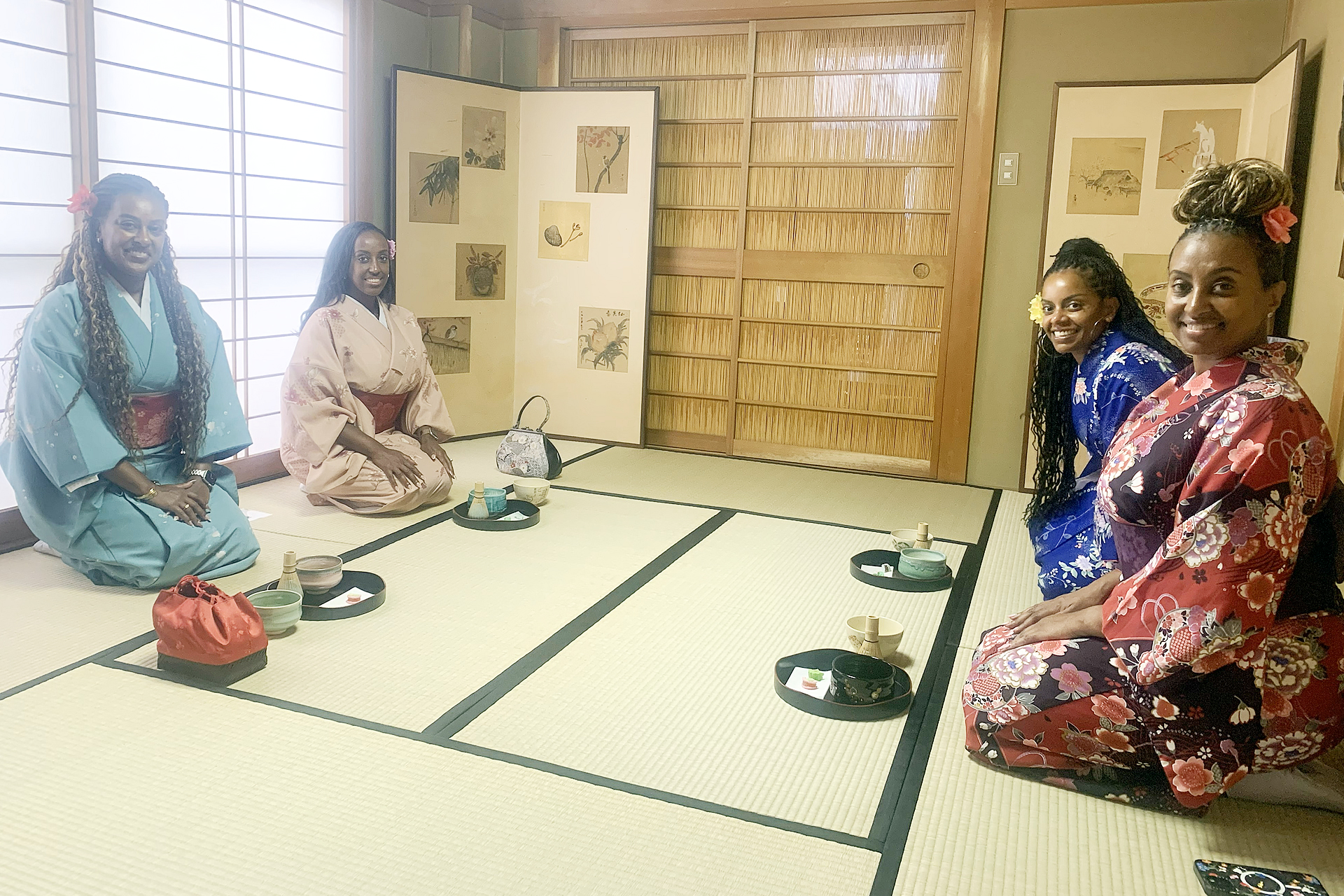
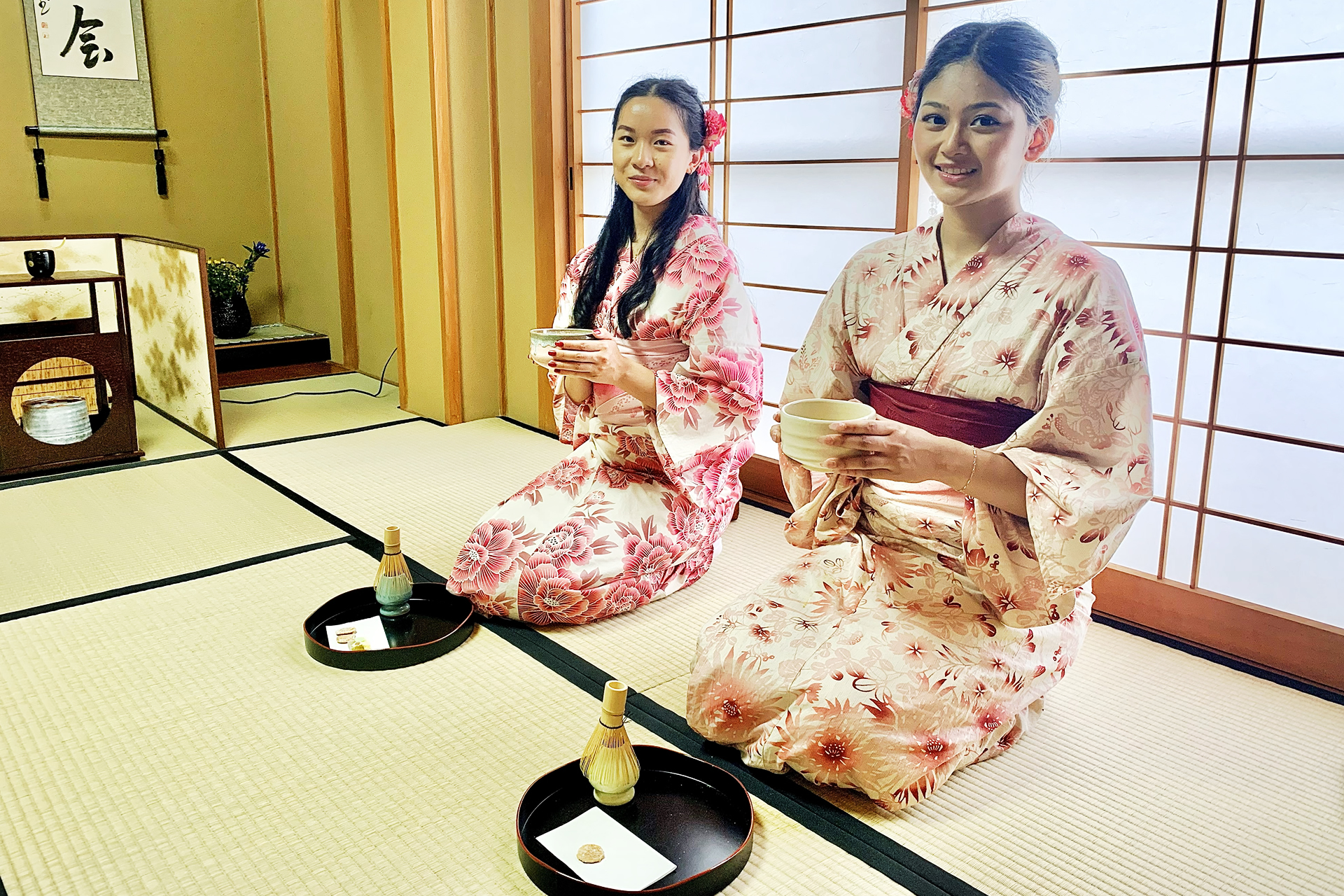
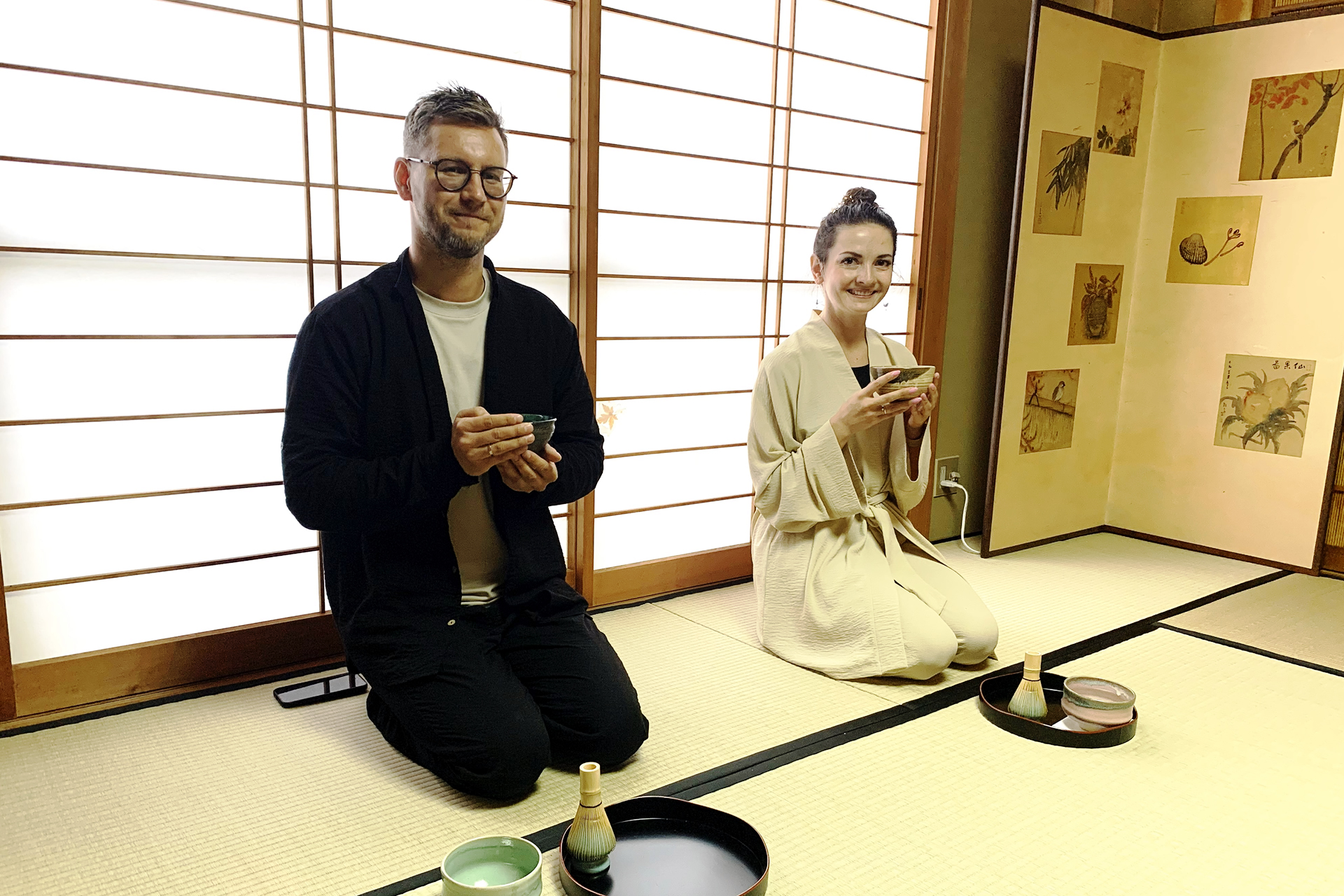
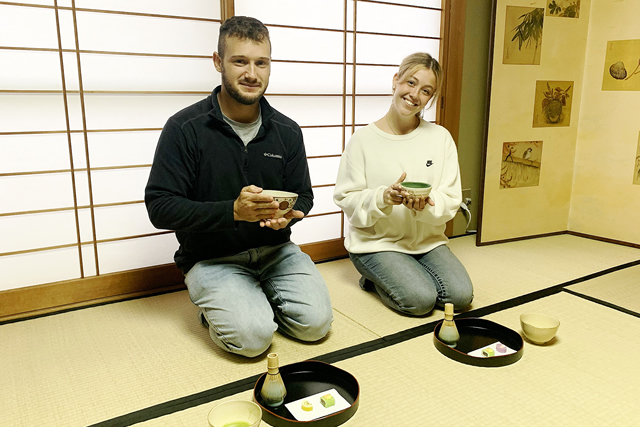
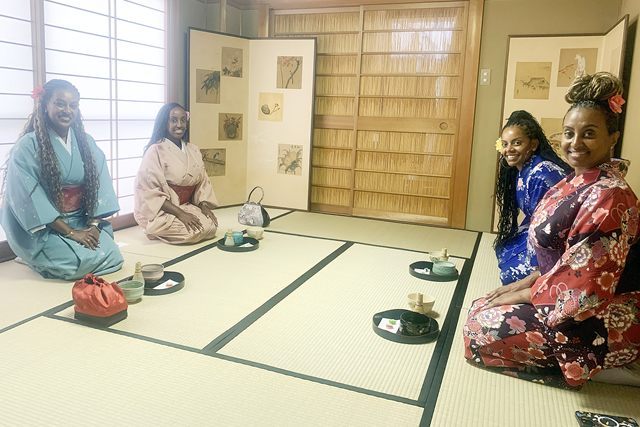
Guests from Around the World at Tea Ceremony Canon Kyoto
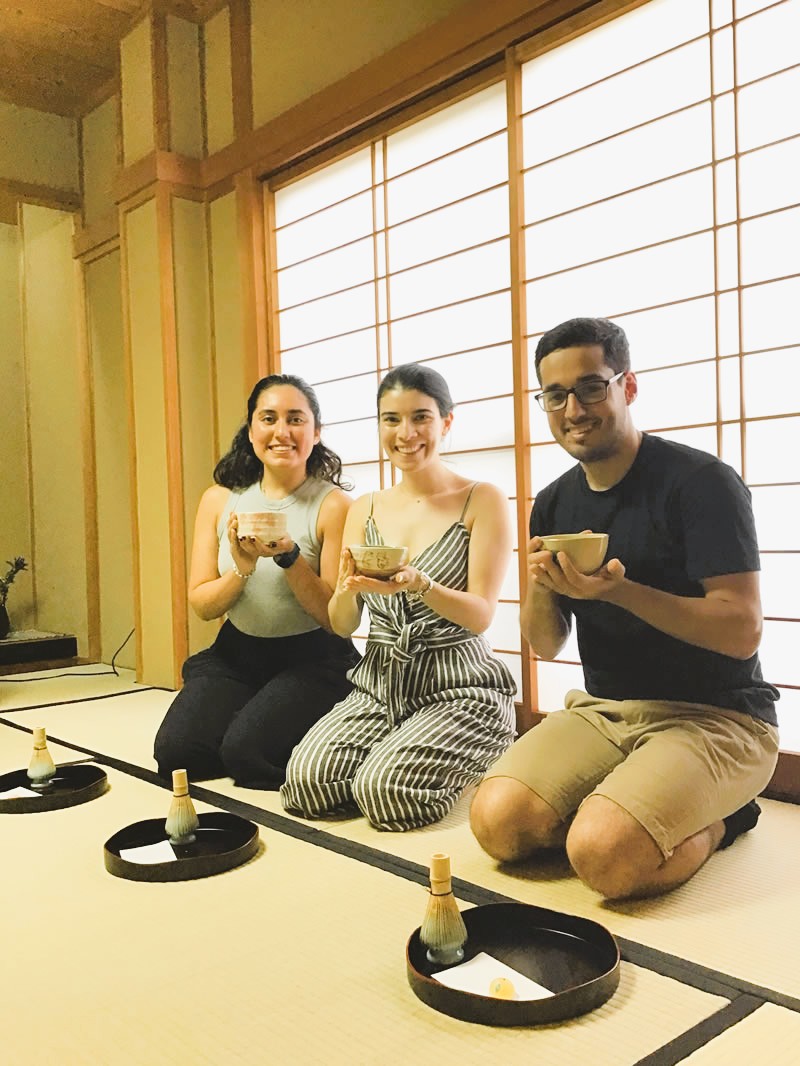
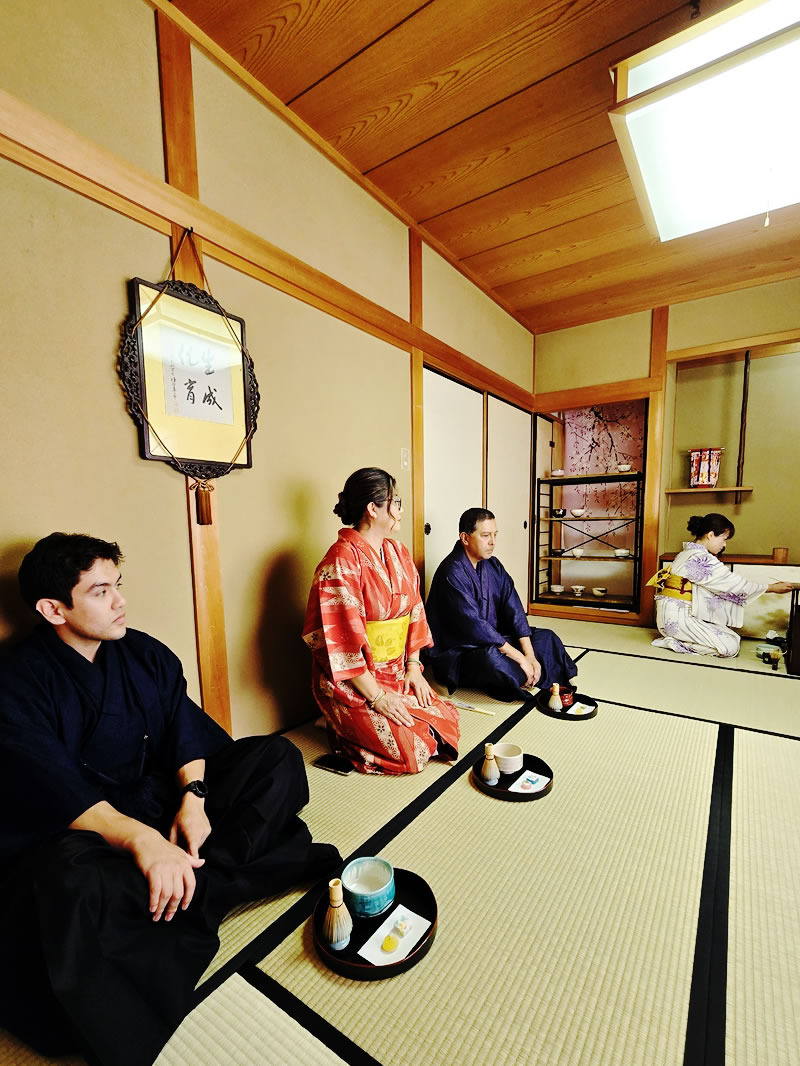
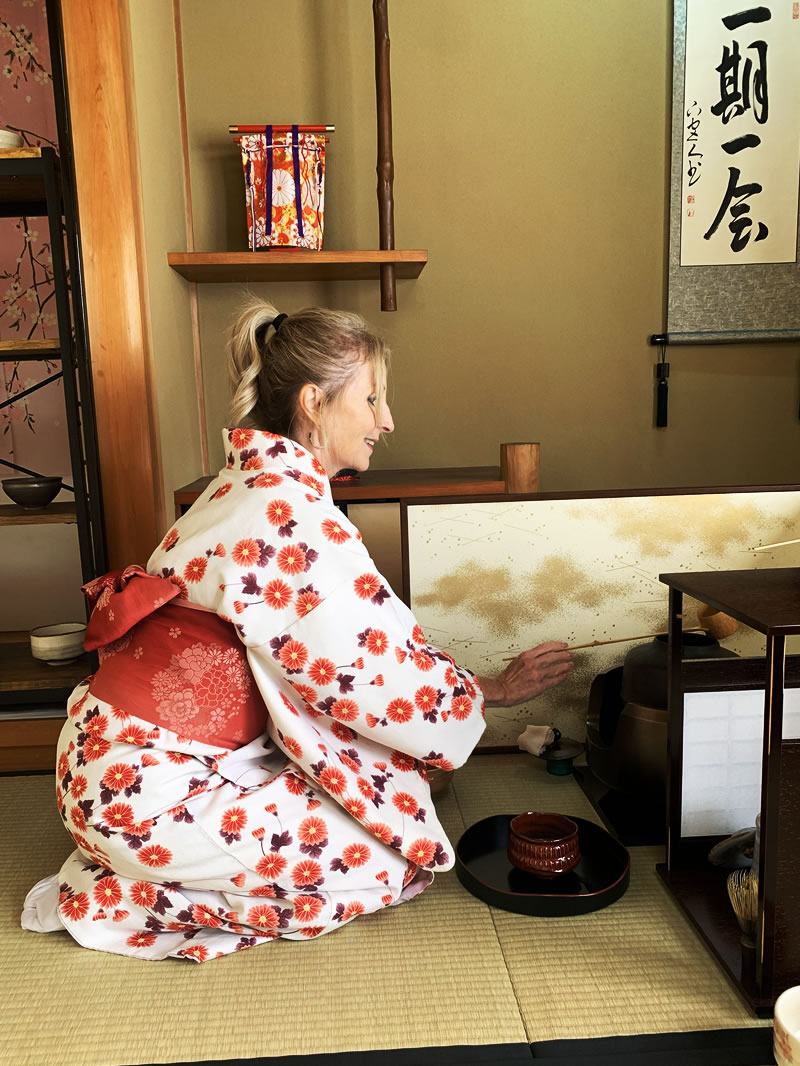
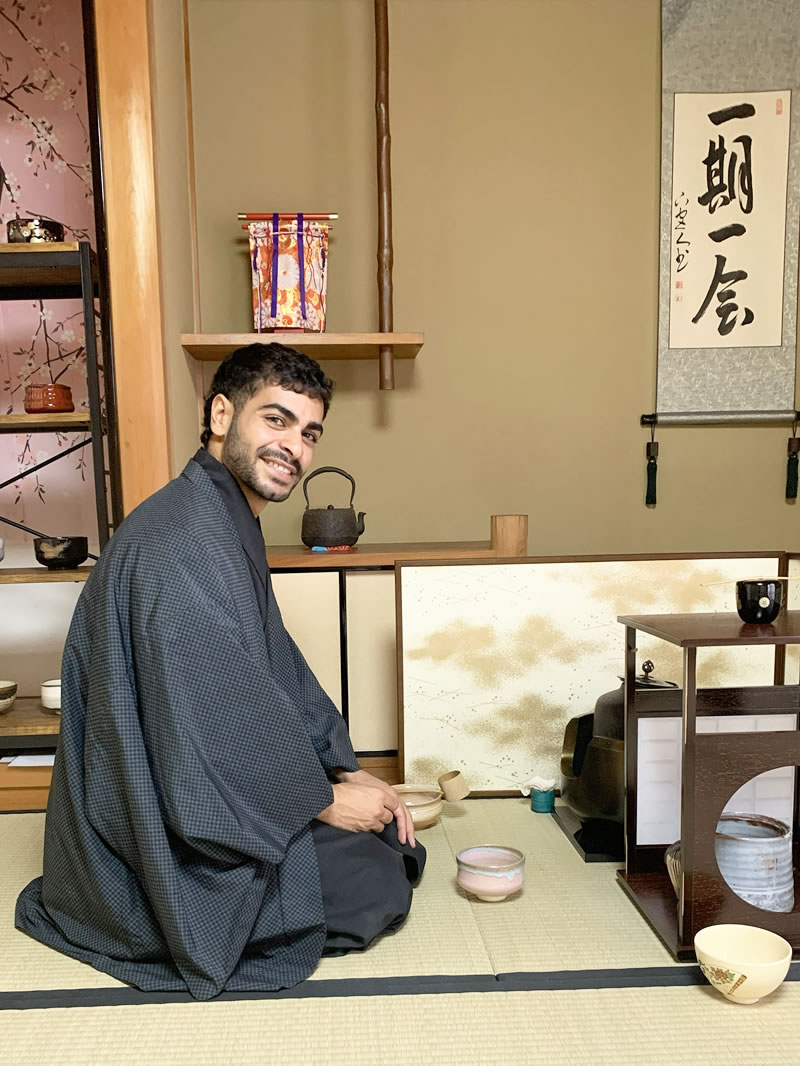
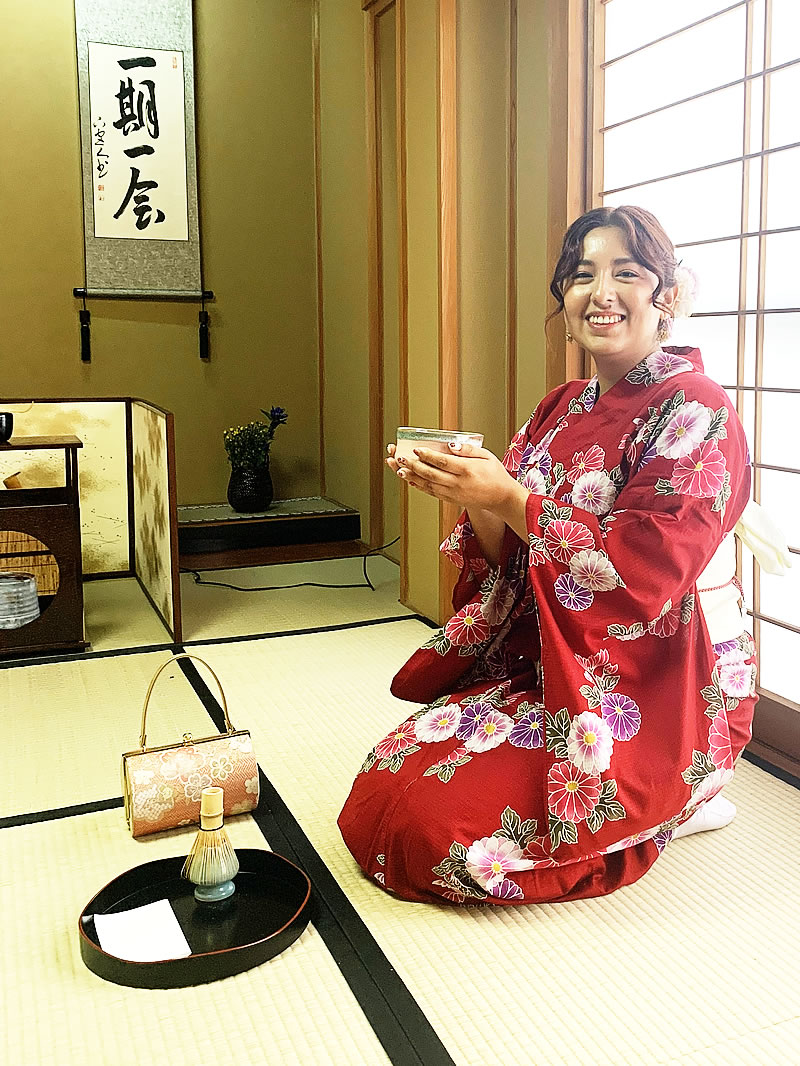
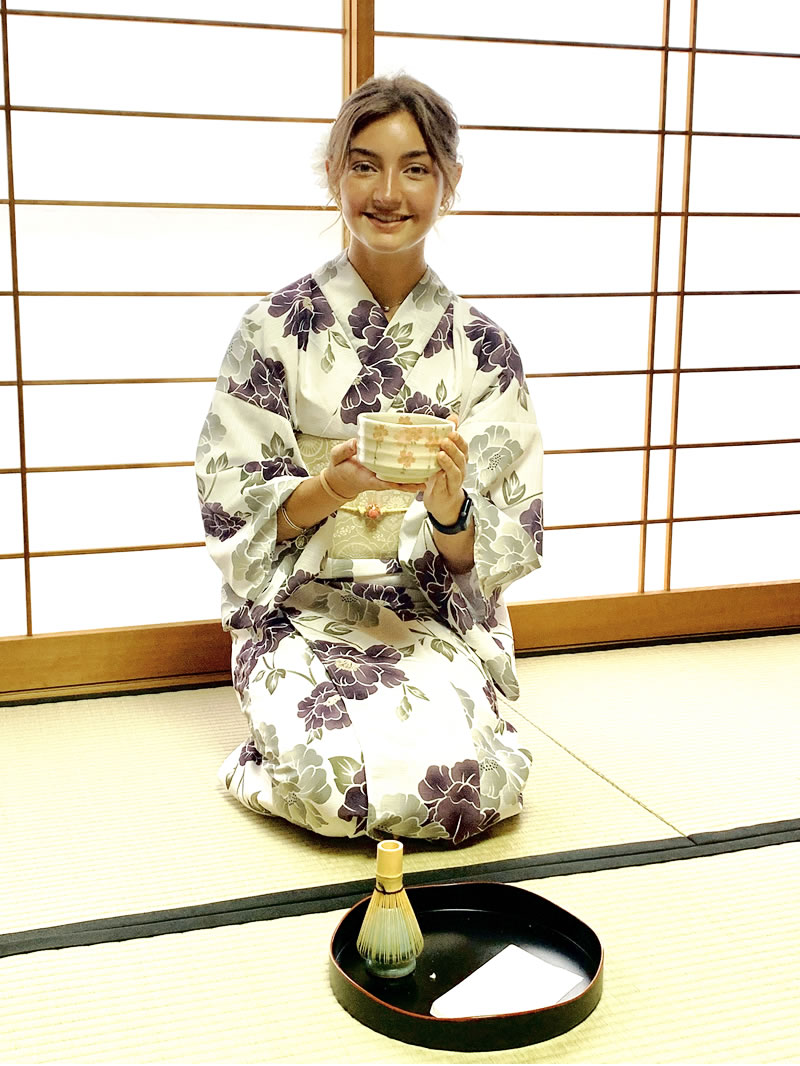
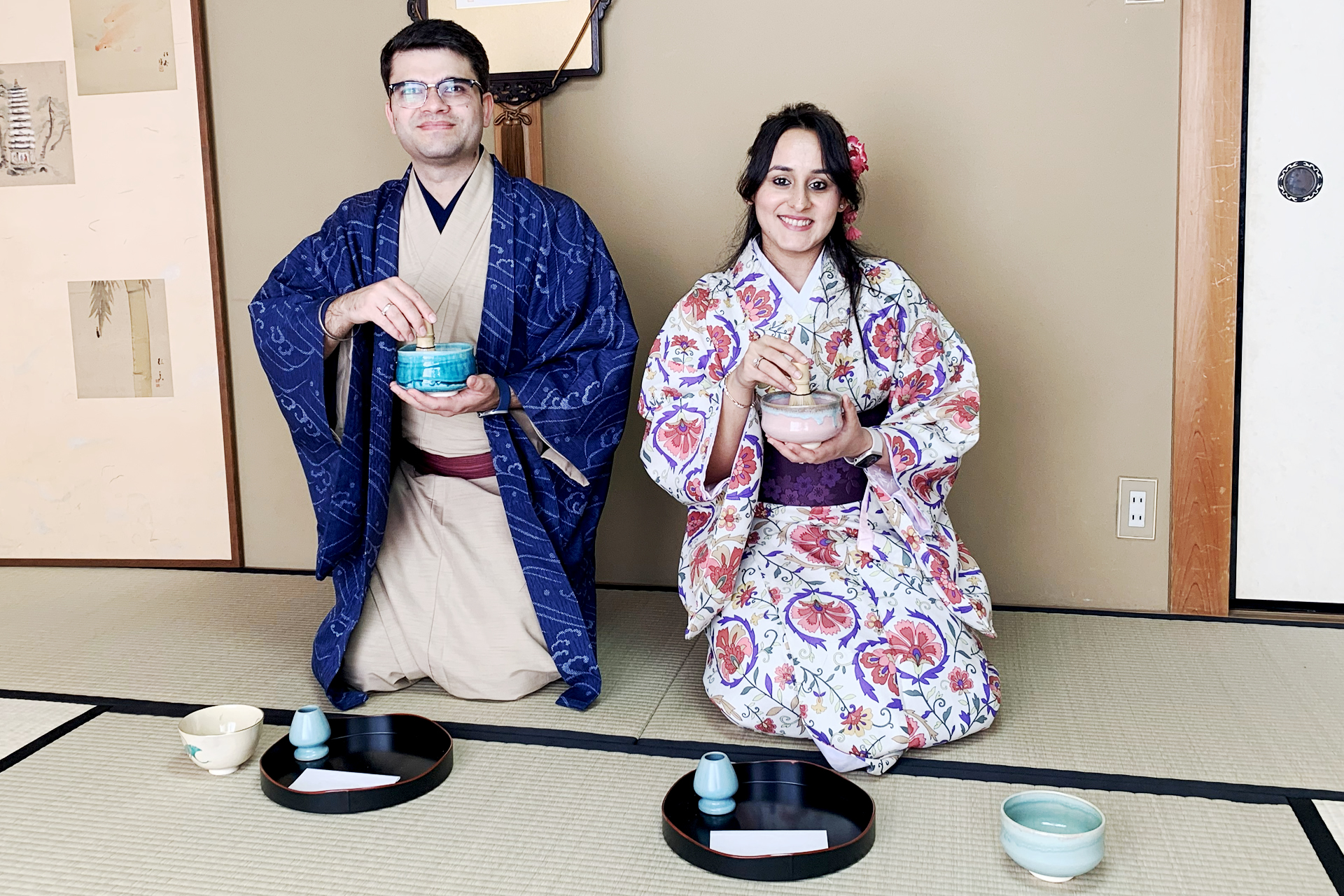
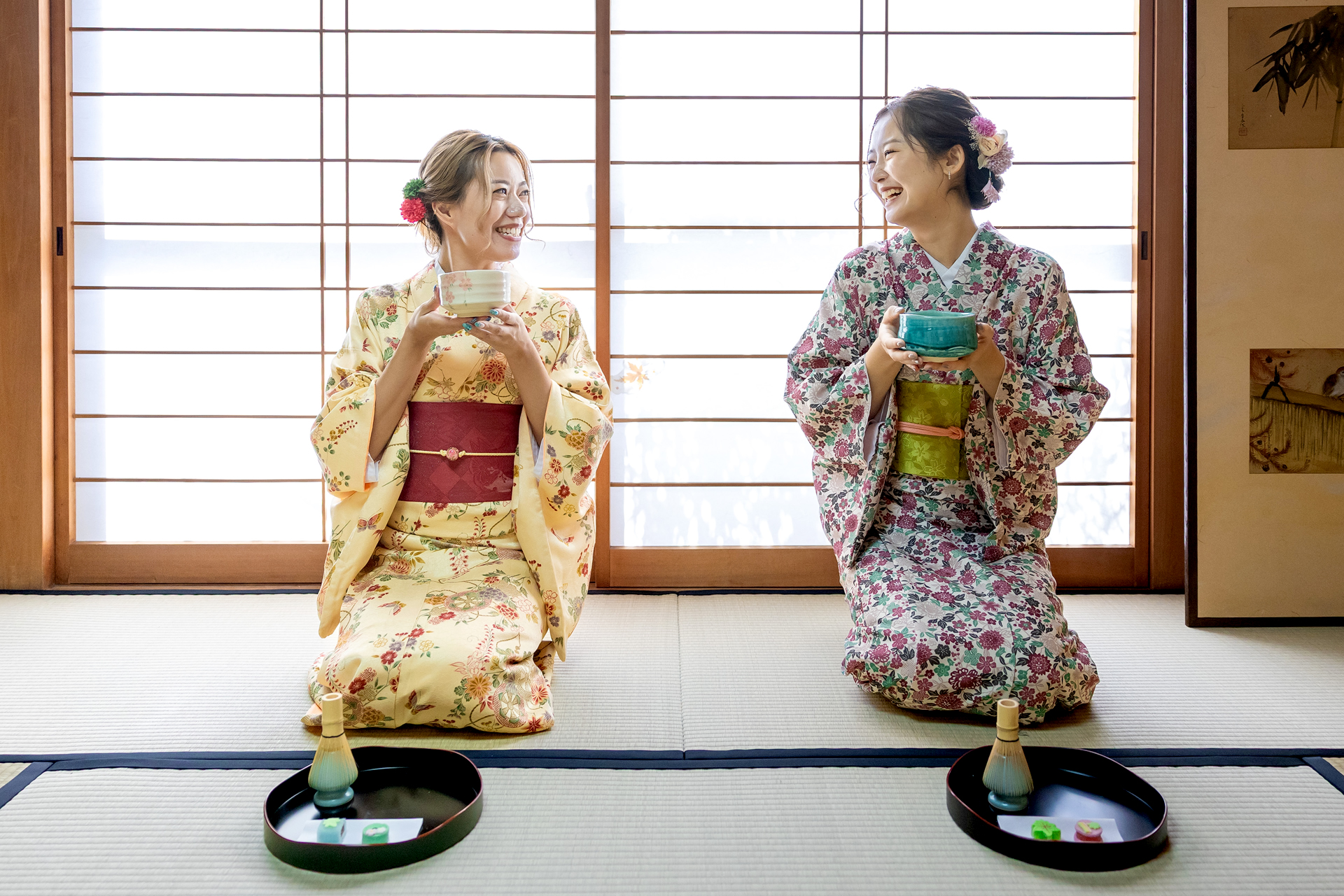
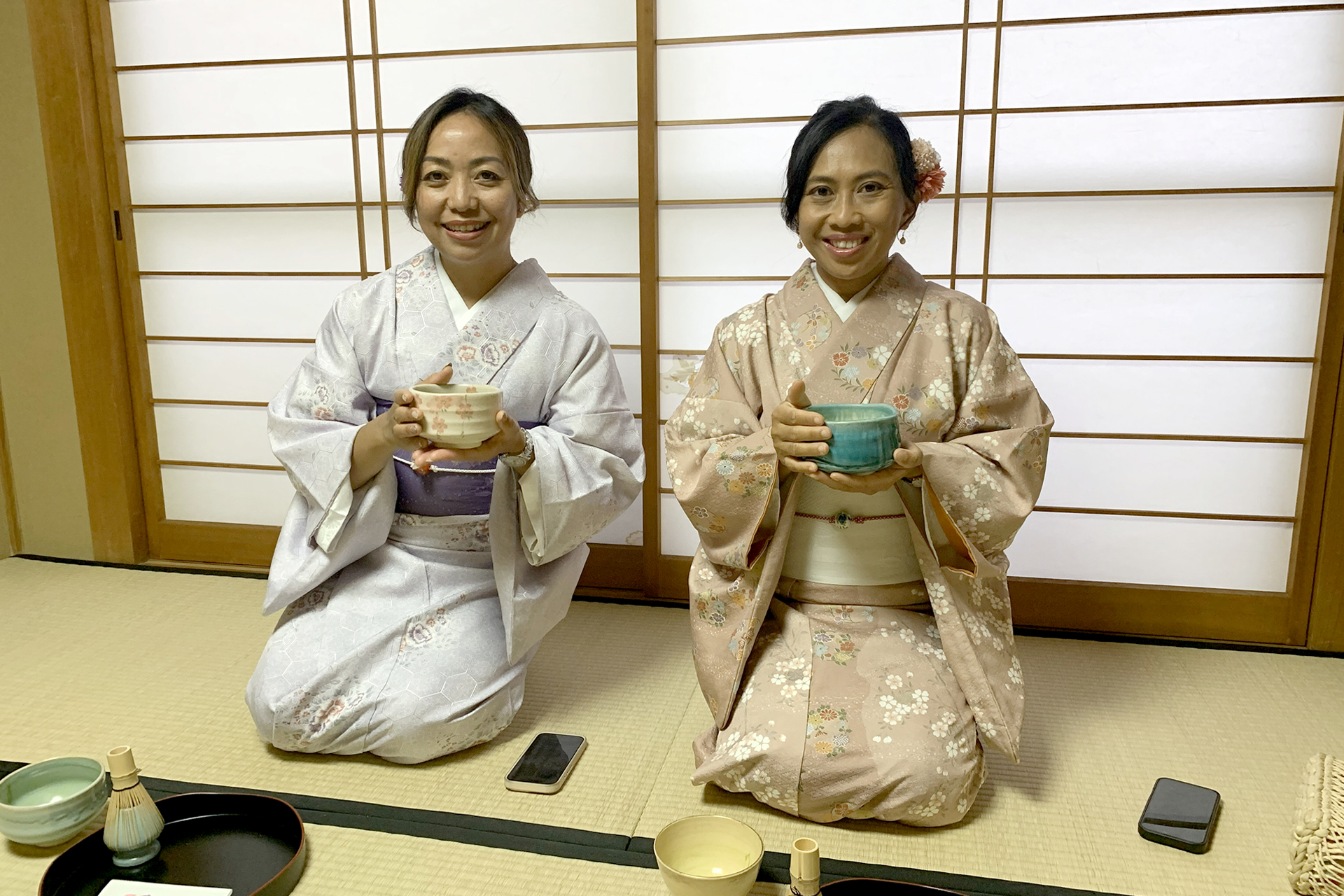
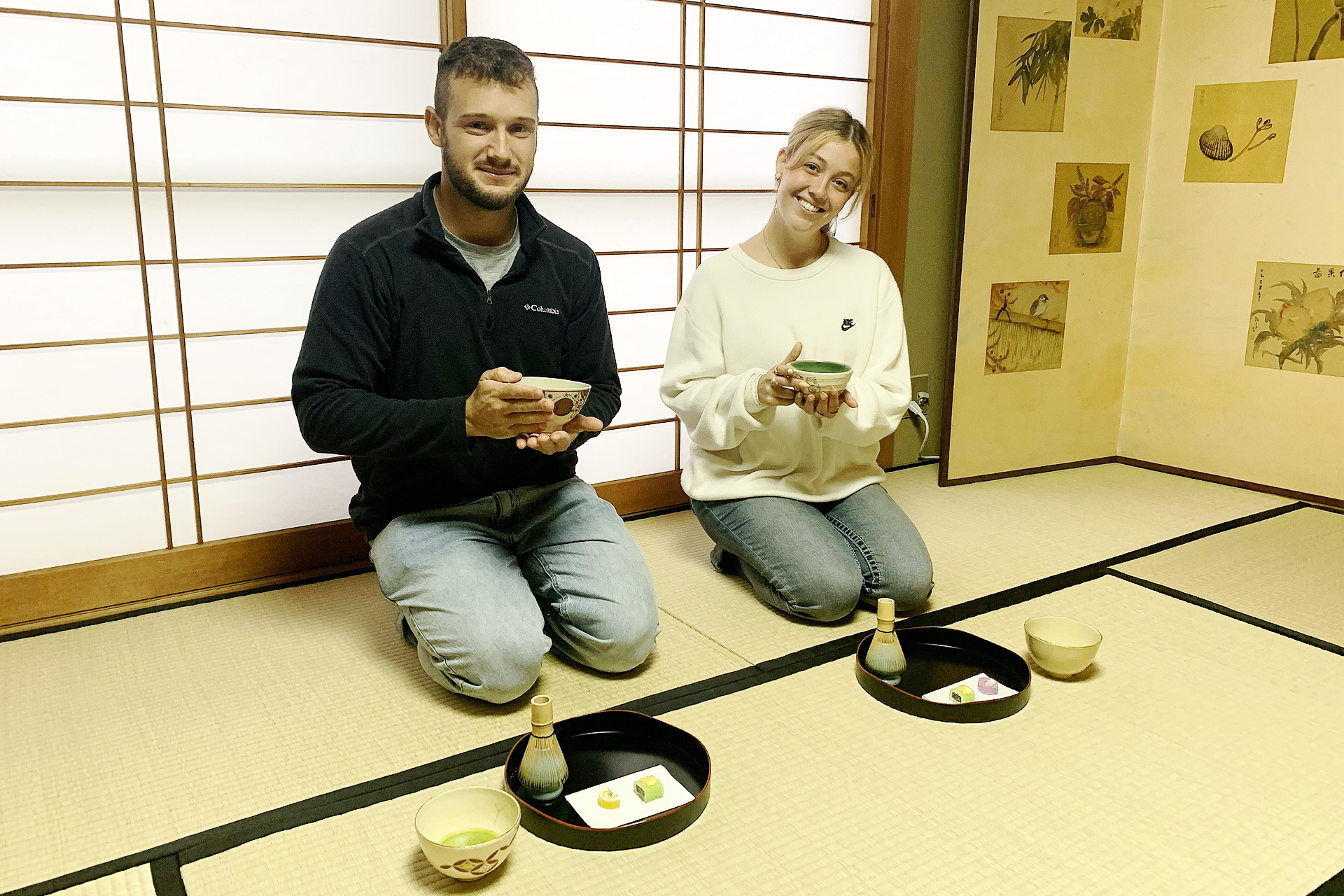
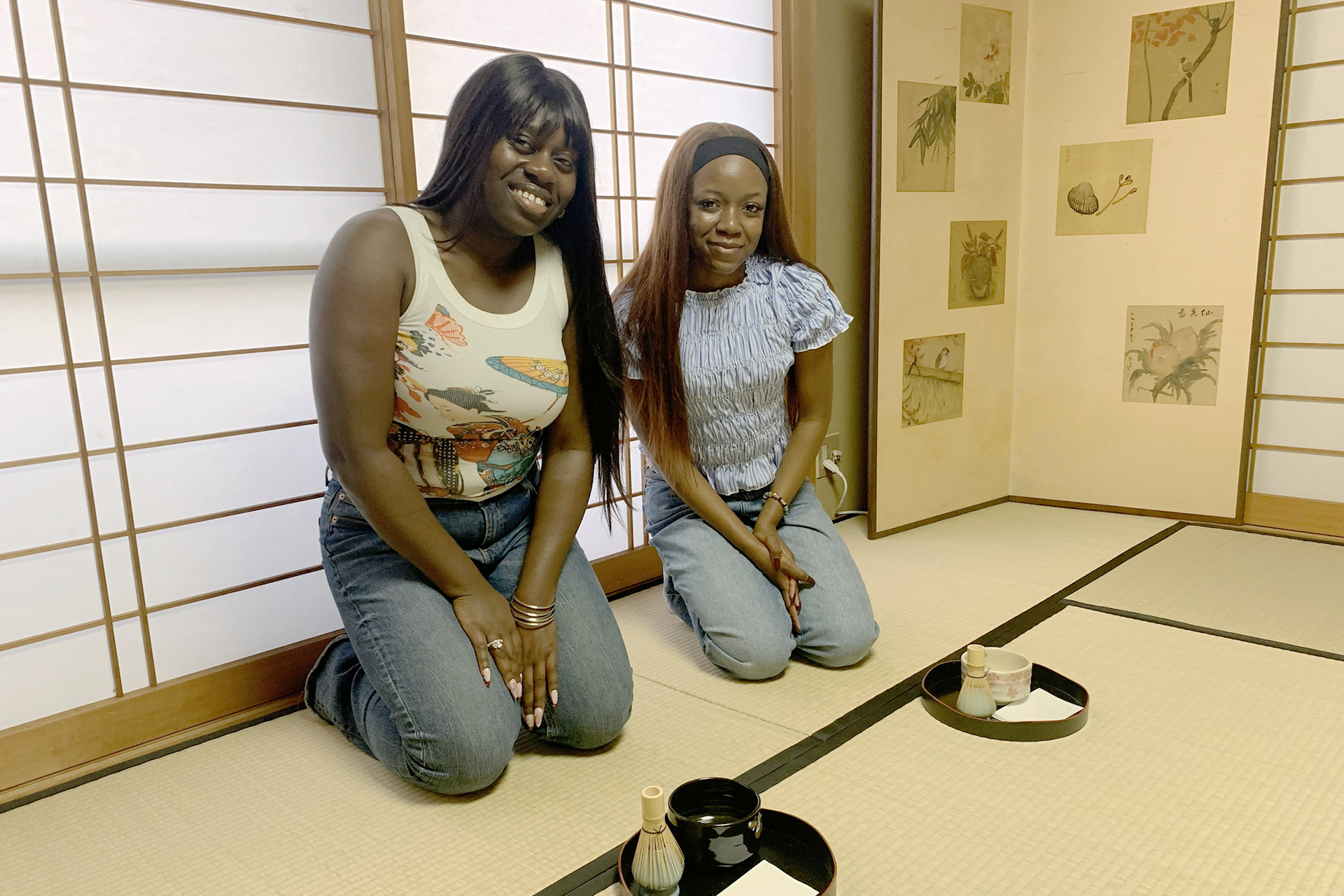
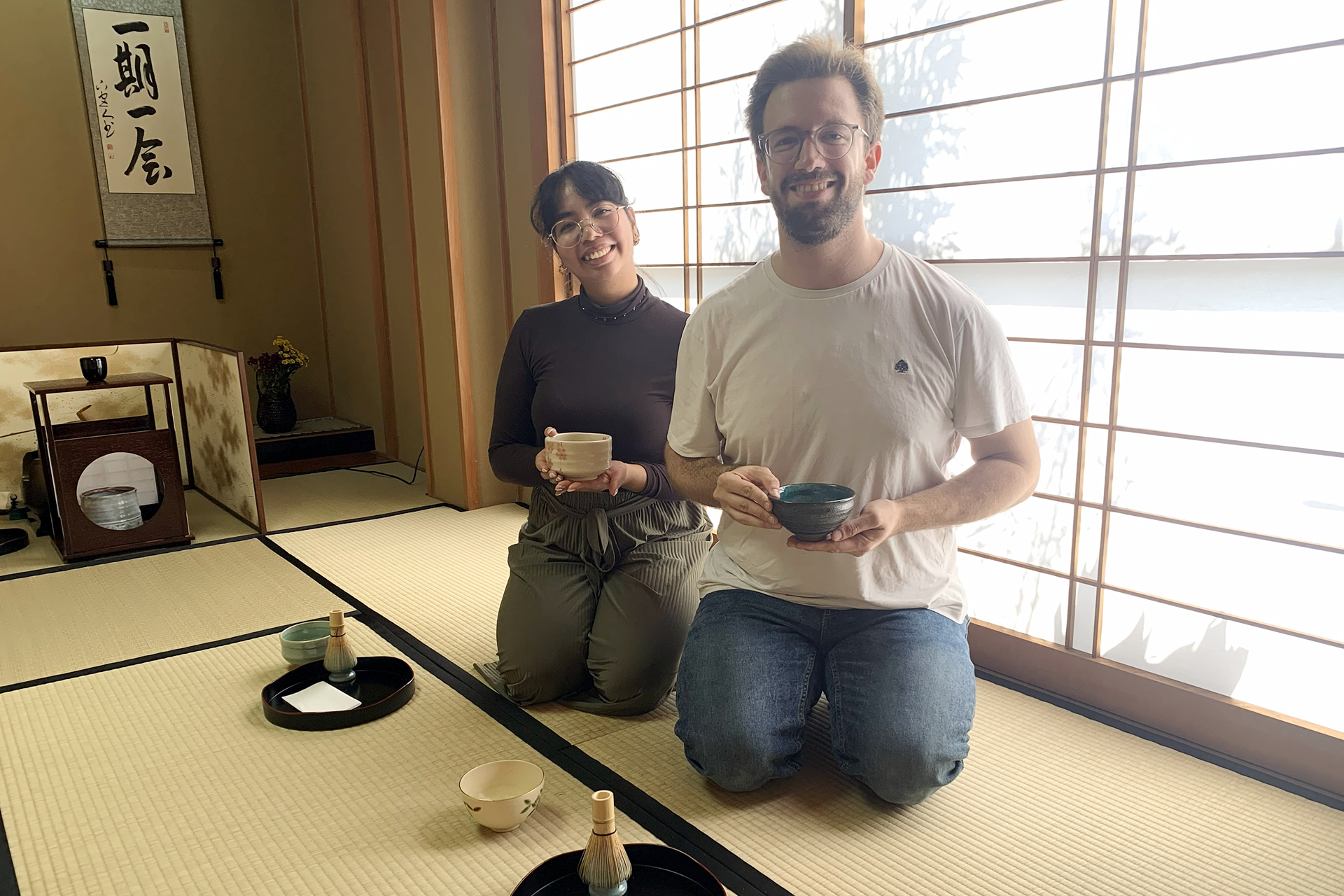
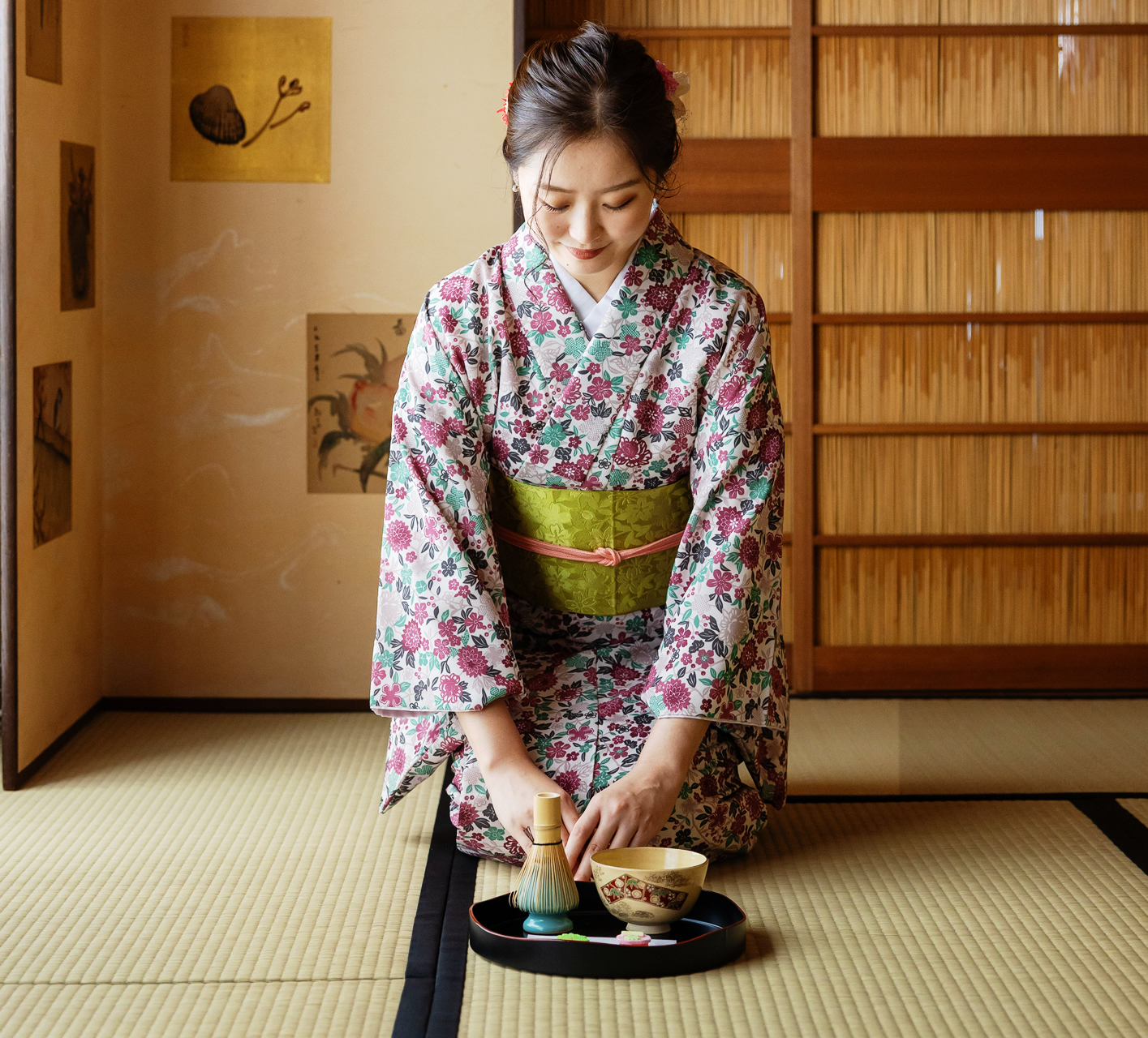
Just one minute from Fushimi Inari’s iconic gates, Canon Kyoto welcomes guests from around the globe into the serene world of traditional tea ceremony. These photographs capture more than tourist experiences – they preserve moments of authentic cultural connection where ancient Japanese wisdom becomes personally meaningful to modern international visitors.
The Gift of Tea Ceremony to Global Culture
Beyond serving individual practitioners, tea ceremony offers gifts to global culture:
Aesthetic Philosophy:
Concepts like wabi-sabi, ma, and ichi-go ichi-e enrich global artistic and philosophical discourse. Designers, architects, and artists worldwide draw on these principles.
Mindfulness Practice:
As meditation and mindfulness gain popularity worldwide, tea ceremony offers an accessible, active form that appeals to people struggling with seated practice.
Environmental Awareness:
Tea ceremony’s emphasis on seasonality, natural materials, and sustainable beauty aligns with growing environmental consciousness.
Counter to Consumerism:
In cultures dominated by consumption and disposability, tea ceremony models appreciation of quality over quantity, longevity over novelty, and experiences over possessions.
Social Ritual:
In increasingly fragmented societies, tea ceremony demonstrates how ritual creates connection, how shared beauty builds community, and how traditional forms can structure meaningful interaction.
Cultural Exchange:
Tea ceremony creates bridges between Japan and other cultures, fostering understanding and appreciation that extends beyond the tea room.
The Future of Global Tea Ceremony
As tea ceremony enters its second generation of serious international practice, interesting developments emerge:
Second-Generation Practitioners:
Students who learned from the first generation of foreign teachers are now teaching themselves, creating lineages that extend beyond direct Japanese instruction.
Cultural Fusion:
Some practitioners consciously blend tea ceremony with their own cultural traditions, creating hybrid practices that honor both roots.
Academic Study:
Universities worldwide offer courses on tea ceremony within Japanese studies, philosophy, and arts programs. Scholarly research examines tea ceremony from anthropological, aesthetic, and philosophical perspectives.
Digital Innovation:
Virtual reality tea rooms, online instruction, and digital communities are creating new possibilities for access and connection.
Younger Practitioners:
A new generation discovers tea ceremony through social media and brings fresh energy and perspectives while honoring tradition.
An Invitation to Global Community
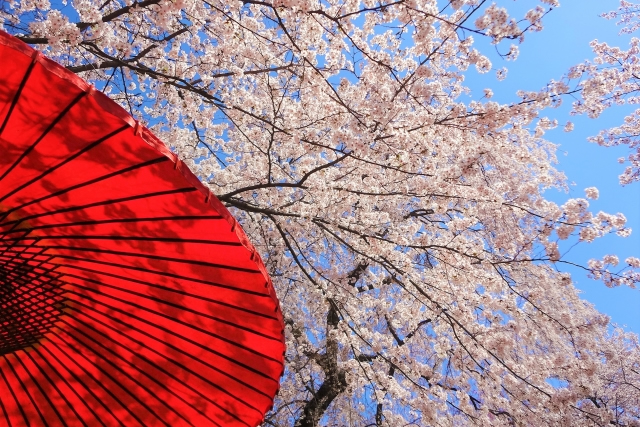
If reading this has sparked your interest in tea ceremony, know that you’re joining a global community of practitioners who share that curiosity. Whether you’re in Tokyo or Toronto, Kyoto or Cape Town, people are gathering to prepare tea, create beauty, and practice presence.
Your journey might begin with a single ceremony during travels to Japan. It might continue with classes in your home city. Or it might remain a beautiful memory that subtly influences how you approach daily life—moving a bit slower, appreciating simplicity, noticing details, treasuring transient moments.
The global tea ceremony community welcomes sincere students regardless of nationality or background. The practice belongs to anyone who approaches it with respect, humility, and genuine interest in learning.
From a traditional tea room in Kyoto to a converted loft in Brooklyn, from a temple in Tokyo to a garden in Buenos Aires, people around the world are whisking tea. Different languages, different faces, different spaces—but the same principles, the same presence, the same appreciation for this moment, shared bowl by bowl across the globe.