Tea Utensils Demystified: Natsume, Chashaku, and Chawan
Watch a tea ceremony, and you’ll notice the host treating each utensil like chawan with extraordinary care. The tea scoop is examined and admired. The tea bowl is turned reverently. The tea caddy is handled as if it were made of glass. To the uninitiated, these might seem like ordinary containers and tools. But in tea ceremony, these utensils (chadōgu 茶道具) are far more than functional objects—they’re works of art, carriers of history, and expressions of aesthetic philosophy.
Understanding these key utensils transforms how you experience tea ceremony. Instead of seeing random objects being moved about, you’ll recognize a carefully choreographed appreciation of craftsmanship, seasonality, and beauty.
The Natsume: Tea Caddy
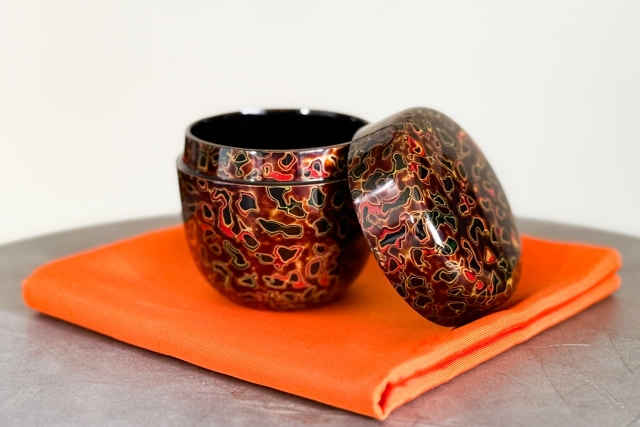
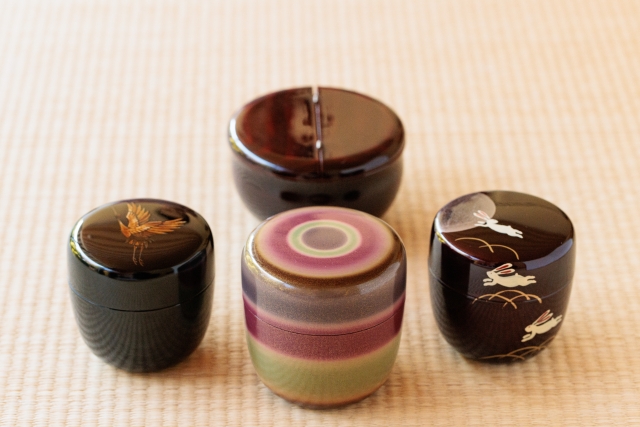
The natsume (棗) is the lacquered container that holds the powdered matcha during the ceremony. Its name comes from the jujube fruit, which its shape resembles.
Appearance and Construction:
A typical natsume is:
- About 6-7 cm in diameter and height
- Cylindrical with a slightly domed lid
- Made of wood (often cherry, zelkova, or Japanese cypress)
- Covered in multiple layers of lacquer (urushi)
- Decorated with traditional designs or left in plain lacquer
Types of decoration:
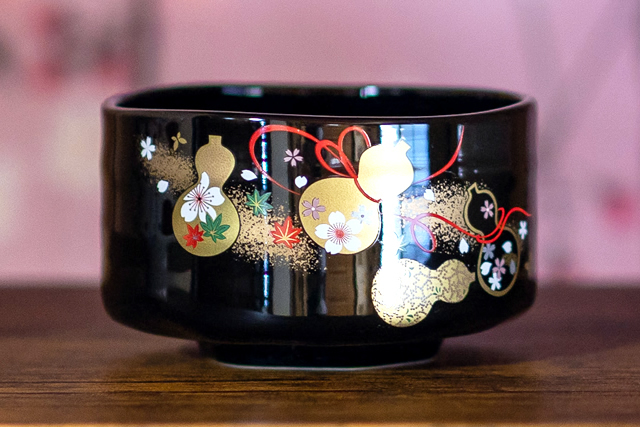
Maki-e (蒔絵): Lacquer decorated with gold or silver powder, creating intricate designs. This traditional technique involves sprinkling precious metal powder onto wet lacquer, then covering it with more lacquer and polishing. The most valuable natsume feature elaborate maki-e designs.
Plain lacquer: Simple black, red, or colored lacquer without decoration. These embody wabi-sabi aesthetics—beauty through simplicity.
Seasonal designs: Many natsume feature seasonal motifs like cherry blossoms (spring), maple leaves (autumn), or snow scenes (winter). Hosts select the natsume to harmonize with the season and occasion.
Why lacquer?
Lacquer is moisture-resistant, protecting the matcha powder from humidity. It also develops a beautiful patina over time, deepening in color and luster. A well-cared-for natsume becomes more beautiful with age—another expression of finding value in time’s passage.
Value range:
Simple lacquered natsume suitable for beginners might cost $50-200. High-quality pieces with elaborate maki-e by famous artisans can cost thousands or even tens of thousands of dollars. Antique natsume from renowned craftsmen are treasured as heirlooms.
The Chashaku: Tea Scoop used during Tea Ceremony
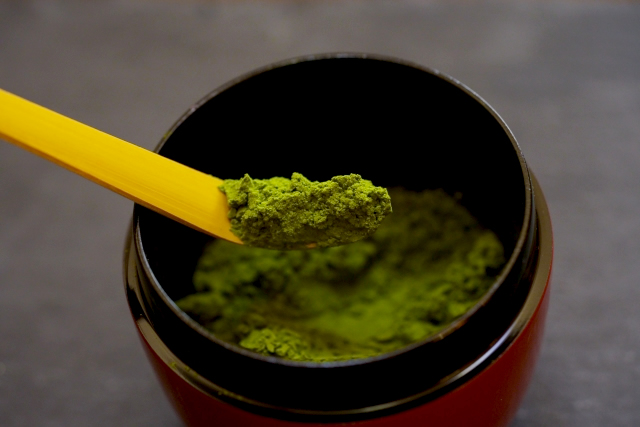
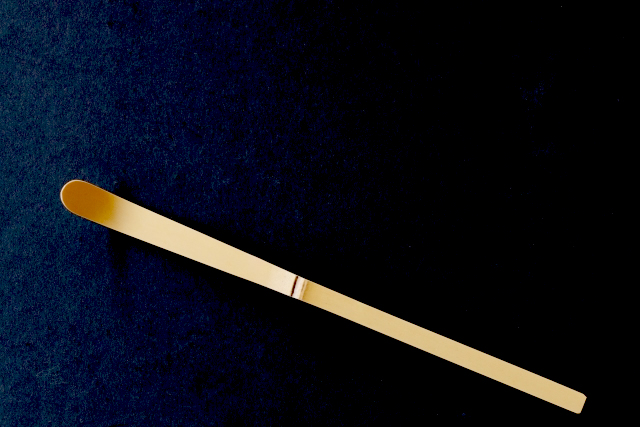
The chashaku (茶杓) is the bamboo scoop used to transfer matcha from the natsume to the tea bowl. This simple tool carries surprising significance.
Construction:
- Carved from a single piece of bamboo
- About 18 cm long
- Curved shape that fits naturally in the hand
- The bowl (scoop end) is carefully shaped for the right amount of tea
- Often shows the natural nodes and grain of the bamboo
The personal nature of chashaku:
Unlike most tea utensils, many tea practitioners carve their own chashaku or receive them as gifts from teachers. Each scoop has a unique curve and character based on the bamboo piece used and the carver’s hand. This makes chashaku deeply personal objects.
Famous tea masters often create chashaku and give them poetic names written on the bamboo tube they’re stored in. These named chashaku become cherished possessions, sometimes passed down through generations.
Why bamboo?
Bamboo is:
- Strong yet flexible
- Naturally antibacterial
- Ages beautifully, darkening to a rich amber color
- Readily available and renewable
- Embodies simplicity and natural beauty
A well-used chashaku develops a patina from years of handling and contact with matcha oils. This aging is valued—a dark, aged chashaku shows a history of practice and dedication.
Caring for your chashaku:
- Wipe clean with a dry cloth after use
- Never wash with water or soap (it can crack the bamboo)
- Store in a protective bamboo tube
- The natural oils from your hands will slowly darken it—this is desirable
Value range:
Basic chashaku cost $15-40. Those carved by tea masters or featuring artistic carving can cost hundreds. Antique chashaku by famous historical tea masters are museum pieces worth thousands.
Tea Ceremony main player The Chawan: Tea Bowl
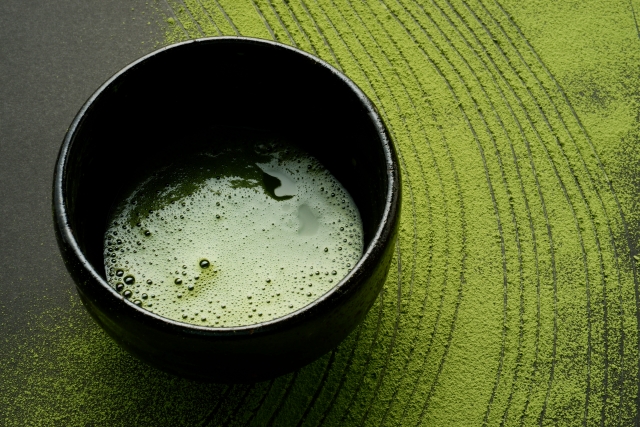
The chawan (茶碗) is perhaps the most important utensil—it’s where the matcha is prepared and from which guests drink. Each chawan is unique, often handmade, and selected specifically for the occasion.
Types of chawan:
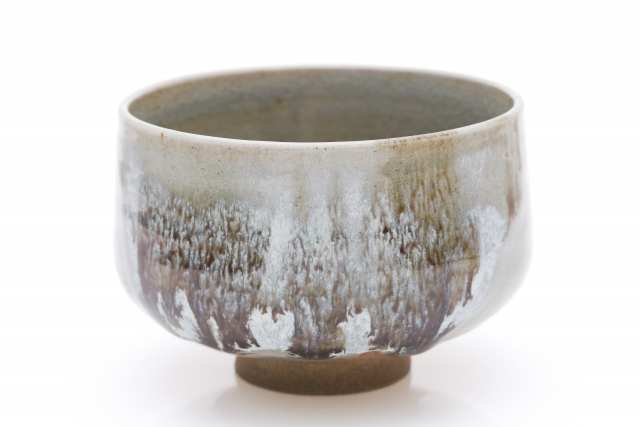
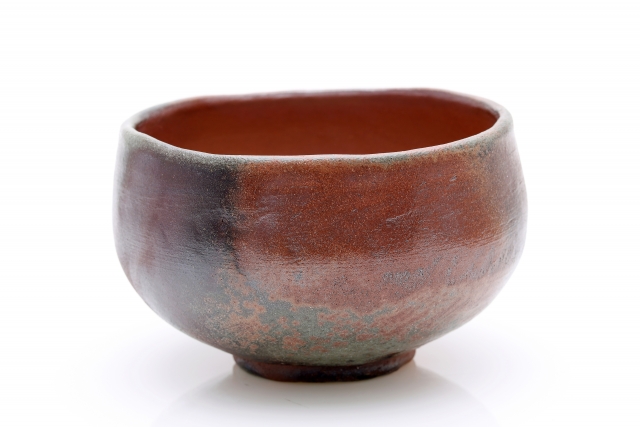
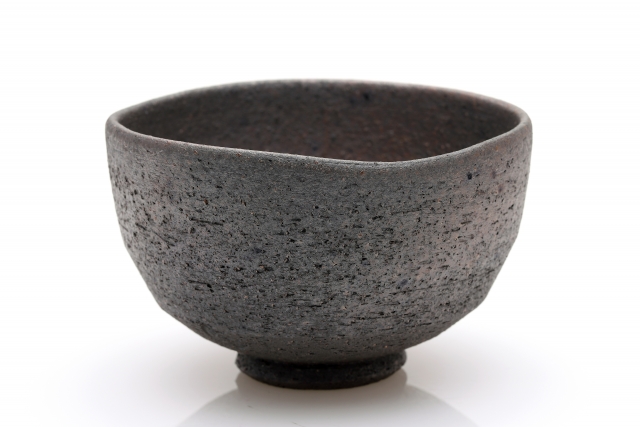
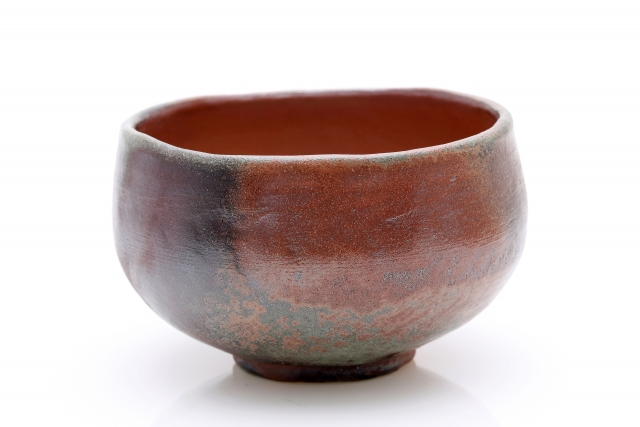
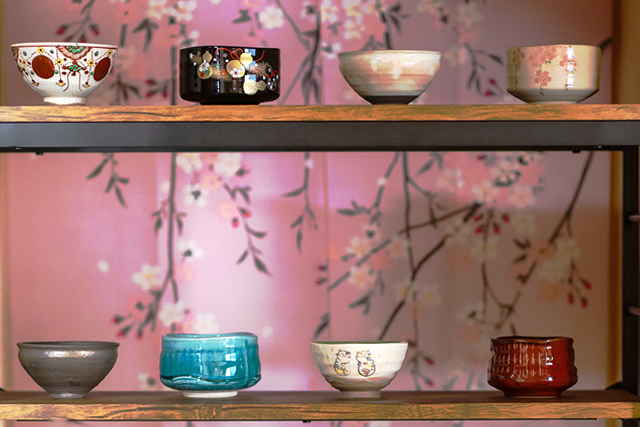
Raku-yaki: Thick, rustic tea bowls, usually hand-formed rather than thrown on a wheel. Raku bowls have a rough, irregular appearance that perfectly embodies wabi-sabi. They feel substantial in the hands and retain heat well.
Karatsu-yaki: From Kyushu, these bowls often feature earthy glazes with brush decorations. More refined than Raku but still rustic in spirit.
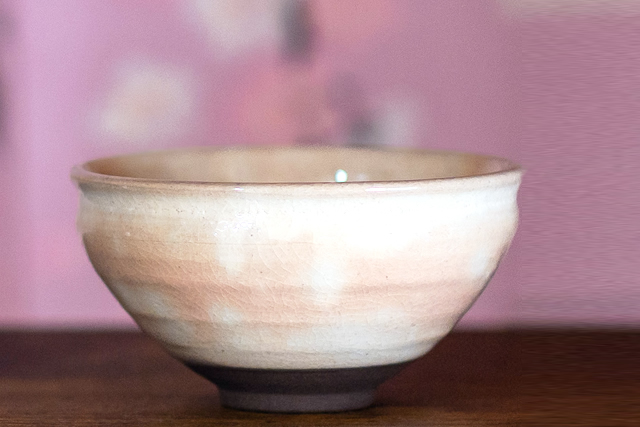
Hagi-yaki: Known for their soft, porous clay that slowly absorbs tea, changing color over years of use. This transformation is called “Hagi’s seven transformations” (Hagi no nanabake) and is highly valued.
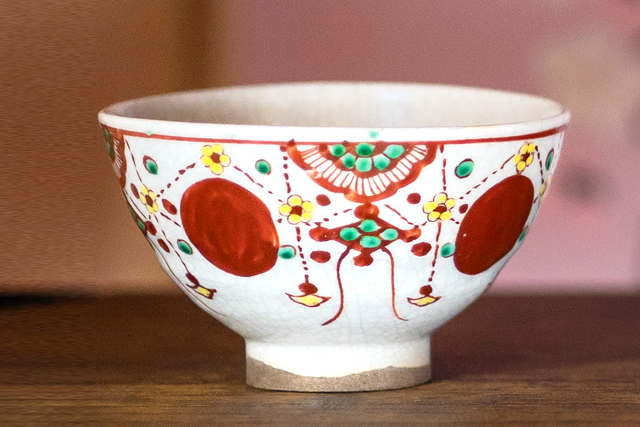
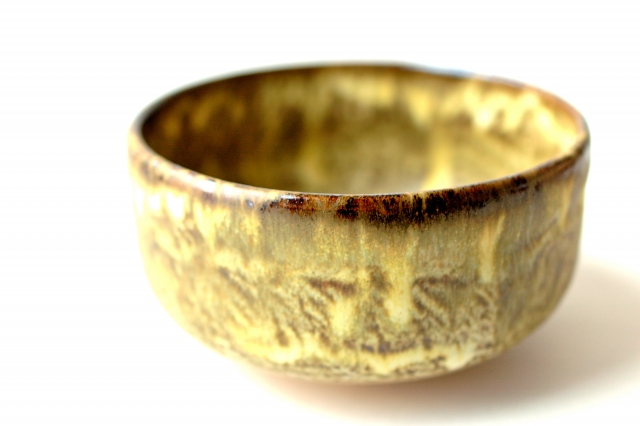
Kyo-yaki: From Kyoto, these tend to be more refined and decorative, featuring painted designs and colorful glazes.
Seasonal selection:
Summer chawan: Shallow and wide, allowing tea to cool. Often in cool colors like blue or white.
Winter chawan: Deep and narrow, retaining heat. Often in warm colors like red, brown, or black. The deeper shape allows you to warm your hands around the bowl.
How to appreciate a chawan:
When examining a tea bowl, notice:
The shape: Is it perfectly round or deliberately irregular? How does it feel in your hands?
The glaze: How does light play across the surface? Are there variations, drips, or pooling?
The foot (kōdai): The bottom rim where the bowl sits. This is often unglazed, showing the natural clay.
The “face” (shōmen): The most beautiful side, which the host presents to the guest.
Imperfections: Cracks, chips, repairs with gold (kintsugi), irregularities—these add character and history.
Value range:
Student-grade chawan cost $30-100. Quality handmade bowls from established potters cost $200-1,000. Famous contemporary ceramicists’ bowls can cost $2,000-10,000. Antique bowls by legendary craftsmen or historical tea masters are priceless museum pieces.
Other Essential Utensils for Tea Ceremony
While the natsume, chashaku, and chawan are the most prominent, several other tools complete the set:
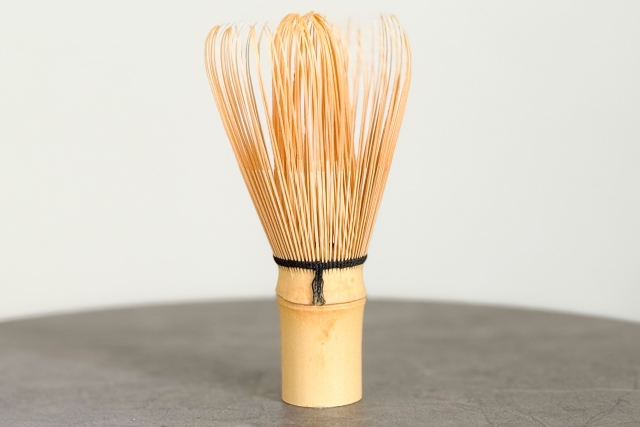
Chasen (茶筅) – Bamboo Whisk: Carved from a single piece of bamboo split into 80-120 fine tines. Used to whisk matcha into frothy tea. Wears out with use and must be replaced regularly—a sign of dedicated practice.
Chakin (茶巾) – Linen Cloth: White linen cloth used to wipe the tea bowl clean. Must be pristine and perfectly folded—handling it properly is part of the ceremony’s choreography.
Fukusa (袱紗) – Silk Cloth: A square of silk used to ritually purify utensils during the ceremony. The color varies by school and rank. Handling the fukusa involves precise, meditative movements.
Chaire (茶入) – Tea Caddy for Thick Tea: A smaller, often ceramic container used for koicha (thick tea) in formal ceremonies. These are particularly valuable and collectible.
Mizusashi (水指) – Fresh Water Container: Holds the fresh water used to replenish the kettle. Can be ceramic, lacquerware, or glass depending on season.
The Ritual of Appreciating Utensils
During a tea ceremony, there’s a specific moment when guests are invited to examine the utensils more closely—typically the chashaku, natsume, and sometimes the chawan.
Proper etiquette for examining utensils:
- Wait for permission: The host will place the utensils in front of the guests and indicate they may be examined.
- Bow first: Show respect before picking up the utensil.
- Use both hands: Support the item carefully with both hands.
- Examine thoughtfully: Turn it slowly, notice the craftsmanship, feel the weight and texture.
- Never rush: Take your time. This is meant to be meditative.
- Pass carefully: When passing to the next guest, place it gently on the tatami rather than hand-to-hand.
- Make comments: It’s appropriate to compliment the beauty or craftsmanship. Ask questions if curious.
- Bow after: Thank the host for allowing you to appreciate the utensils.
This ritual serves multiple purposes: it honors the craftspeople who made the objects, shows respect to the host’s aesthetic choices, and creates a shared moment of appreciation among the guests.
Learning Hands-On at Tea Ceremony Canon Kyoto
Understanding tea utensils intellectually is valuable, but handling them physically creates deeper understanding. At Tea Ceremony Canon Kyoto, located just one minute from Fushimi Inari Shrine, you’ll have the opportunity to handle authentic tea ceremony utensils under expert guidance.
The instructors will show you:
- How to properly hold and examine each utensil
- The specific characteristics that make each piece valuable
- How different chawan feel and how that affects the experience
- The proper way to use the chashaku to scoop matcha
- How to whisk with the chasen effectively
This hands-on experience is invaluable because tea utensils aren’t meant to be looked at behind glass—they’re meant to be touched, used, and appreciated through direct interaction. You’ll understand why a particular chawan feels good in your hands, why the curve of a chashaku matters, why the weight of a natsume affects how you handle it.
Additionally, the instructors can provide recommendations for nearby shops where you can purchase quality tea utensils. Kyoto is one of the best places in Japan to buy chadōgu, with centuries-old shops specializing in specific items. Having learned how to evaluate and appreciate utensils during your ceremony, you’ll shop with confidence and understanding.
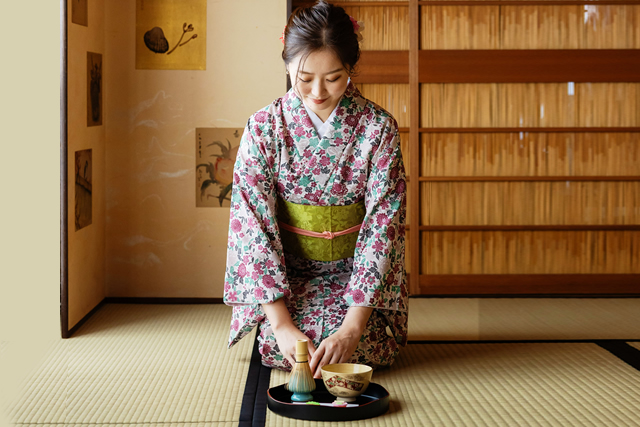
The combination of kimono rental and tea ceremony at Canon Kyoto also helps you understand why these utensils are designed as they are. When you’re sitting in seiza wearing a kimono, reaching for the chashaku, the ergonomics suddenly make sense in a way they don’t when you’re sitting in a chair wearing Western clothes.
The Living History in Your Hands
What makes tea utensils special isn’t just their function or beauty—it’s their connection to history. The chawan you hold might be made using techniques unchanged for 400 years. The bamboo of your chashaku grew on the same mountains that supplied tea masters centuries ago. The lacquer on your natsume was applied using methods developed over millennia.
When you examine a tea utensil during a ceremony, you’re not just looking at an object—you’re connecting to an unbroken chain of craftspeople, tea practitioners, and aesthetic philosophy stretching back generations. Each piece carries the spirit of everyone who has made, used, and appreciated it.
This is why tea ceremony participants treat utensils with such reverence. They’re not being overly precious or pretentious—they’re acknowledging the history, skill, and care embedded in each object.
Starting Your Own Collection
If tea ceremony resonates with you, building a personal collection of utensils becomes a rewarding journey. Each piece you select will mark a moment in your practice. Over years, your utensils will age and change with you:
- Your chawan might develop tea stains that add character
- Your chashaku will darken from your hands
- Your chasen will wear out and need replacing (a sign of practice)
- Your natsume will develop a deeper luster
These changes aren’t defects—they’re the natural evolution of well-loved, well-used objects. They tell the story of your tea journey.
The natsume glows with layers of lacquer. The chashaku curves with the memory of bamboo. The chawan sits imperfectly perfect in your hands. These aren’t just tools—they’re teachers, companions, and connections to centuries of seekers who found meaning in the simple act of preparing tea.
Canon Kyoto Tea Ceremony Booking
Please Select Your Booking Option:
🇺🇸 English Booking Form
If you’re comfortable proceeding in English,
you can complete your reservation using the booking form below.
🌐 Multilingual Booking Page
If you’d prefer to view the booking page in your native language,
please click here to access our Multilingual Booking Form.