
The Art of Chabana: Seasonal Flowers as Microcosms
In the alcove of a tea room, you’ll often find a single flower arranged in a simple bamboo or ceramic container. At first glance, it might seem almost too simple—perhaps even sparse or unfinished compared to the elaborate floral arrangements you’ve seen in hotel lobbies or formal ikebana displays. But this understated arrangement, called chabana (茶花, literally “tea flowers”), embodies one of tea ceremony’s most profound aesthetic principles: finding complete beauty in the most minimal expression.
Chabana vs. Ikebana: Different Philosophies
To understand chabana, it helps to distinguish it from ikebana (生け花), the more widely known Japanese art of flower arrangement.
Ikebana is a formal art form:
- Follows specific schools and rules
- Often features multiple types of flowers and branches
- Emphasizes geometric lines and deliberate composition
- Can be quite elaborate and sculptural
- Meant to be admired as artistic creation
Chabana follows a different philosophy:
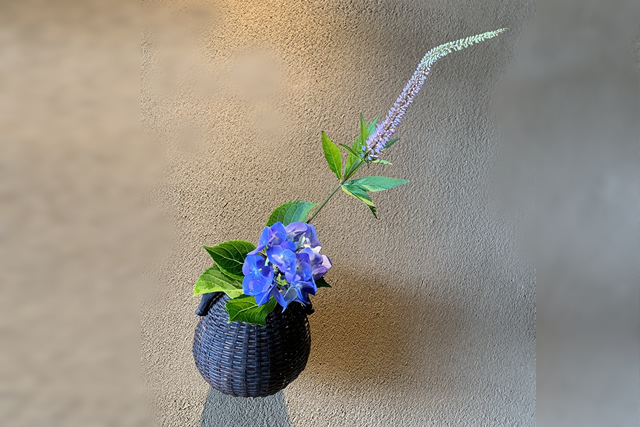
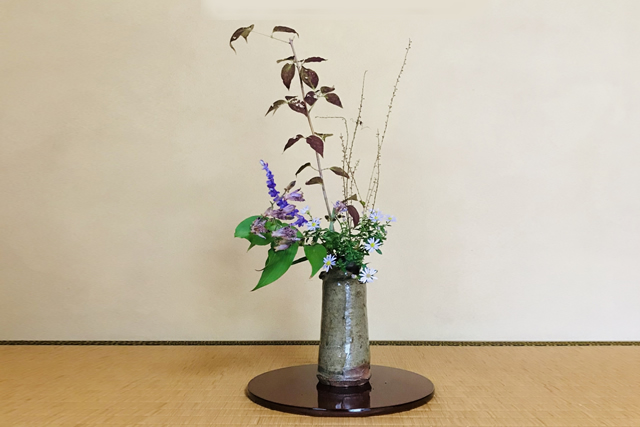
- Aims to look natural, as if the flower is still growing
- Usually features just one or two stems
- Avoids obvious artifice or manipulation
- Emphasizes spontaneity and seasonal awareness
- Serves to enhance the tea ceremony without dominating it
As tea master Sen no Rikyū reportedly said, arrange flowers as they grow in the field. This simple instruction captures the entire philosophy of chabana.
The Seven Principles of Chabana
While chabana resists rigid rules, certain guiding principles shape the practice:
1. Seasonality (Kisetsu no Hyōgen) The flowers must reflect the current season. Using cherry blossoms in autumn or chrysanthemums in spring would feel jarring and inappropriate. The arrangement serves as a subtle reminder of where we are in the natural cycle.
2. Simplicity (Kanso) Less is more. A single camellia branch speaks more eloquently than a bouquet of mixed flowers. The empty space around the flower is as important as the flower itself.
3. Naturalness (Shizen) Flowers should appear as they might in nature—leaning slightly, perhaps with a few leaves, maybe even showing small imperfections. Forced symmetry or unnatural positioning destroys the effect.
4. Asymmetry (Fukinsei) Perfect balance feels static and lifeless. Chabana often features one side slightly heavier, creating dynamic tension and visual interest.
5. Austerity (Koko) Avoid showy, overly fragrant, or brightly colored flowers that might distract from the tea ceremony. Subtle beauty is preferred over dramatic statement.
6. Tranquility (Seijaku) The arrangement should contribute to the peaceful atmosphere of the tea room, not demand attention or create excitement.
7. Respect for Materials (Sozai no Soncho) Honor each flower’s natural character. Don’t force a delicate stem into an unnatural shape or choose a container that fights with the flower’s personality.
Seasonal Flowers Throughout the Year
Part of chabana‘s beauty is its deep connection to the seasons. Experienced practitioners know hundreds of flowers and can select the perfect bloom for each occasion.
Spring (Haru):
- Cherry blossoms (sakura) – fleeting beauty
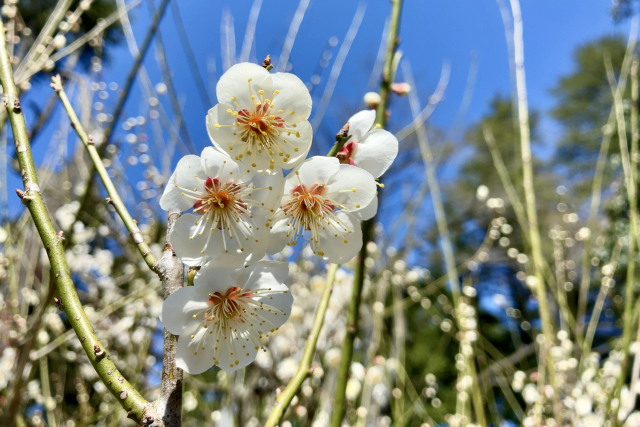
- Plum blossoms (ume) – resilience and hope
- Camellias (tsubaki) – refined elegance
- Magnolias (kobushi) – awakening nature
- Mountain azaleas (yama-tsutsuji) – mountain spring
Summer (Natsu):
- Morning glories (asagao) – brief beauty
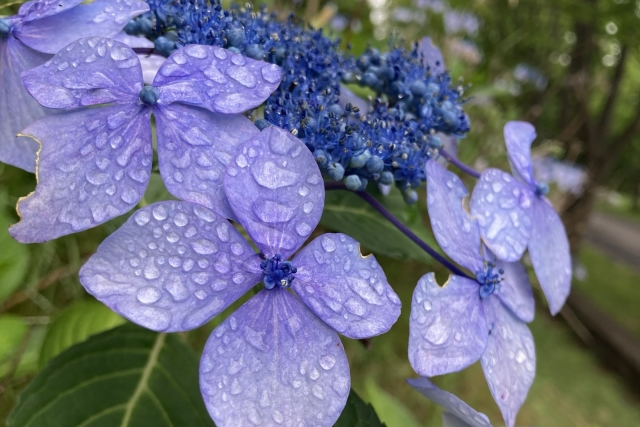
- Hydrangeas (ajisai) – rainy season
- Lilies (yuri) – cooling elegance
- Lotus (hasu) – purity
- Bellflowers (kikyo) – summer’s end
Autumn (Aki):
- Chrysanthemums (kiku) – longevity
- Bush clover (hagi) – graceful movement
- Patrinia (ominaeshi) – golden fields
- Japanese anemones (shuumeigiku) – delicate strength
- Miscanthus grass (susuki) – autumn wind
Winter (Fuyu):
- Camellias (tsubaki) – winter resilience
- Wintersweet (robai) – subtle fragrance
- Nandina berries (nanten) – winter color
- Pine branches (matsu) – endurance
- Winter cherry (kanzakura) – rare beauty
The host might also choose flowers that reference a specific date, festival, or event, or that complement the theme of the scroll hanging in the tokonoma.
Containers: Humble Vessels for Natural Beauty
The containers used in chabana are as important as the flowers themselves. Common vessels include:
Bamboo containers:
- Sections of bamboo cut to various lengths
- Hanging bamboo tubes (tsuri-hana-ire)
- Natural, rustic, and unpretentious
- Often show age through darkening
Ceramic vessels:
- Simple, often irregular shapes
- Earthy glazes in muted colors
- May have cracks or imperfections (wabi-sabi aesthetic)
- Designed to complement, not compete with the flowers
Bronze or metal:
- Aged patina preferred over shiny newness
- Often simple cylindrical forms
- Used particularly in formal settings
Baskets:
- Woven bamboo or vine
- Very natural and rustic
- Popular for autumn arrangements
The container is chosen to harmonize with both the flowers and the season. A rough bamboo tube might suit wild mountain flowers, while a refined ceramic vessel might better complement a single elegant camellia.
The Art of Restraint
What chabana deliberately avoids is as important as what it includes:
Avoid:
- Flowers with strong fragrances that might interfere with the subtle scent of incense or tea
- Overly showy or bright flowers that demand attention
- Too many blooms or types of flowers
- Obvious wires, supports, or artificial aids
- Perfect symmetry or forced arrangements
- Flowers out of season
Why these restrictions? The tea ceremony is about creating a harmonious, contemplative atmosphere. Every element should support this goal. A flashy arrangement would disturb the subtle balance. An out-of-season flower would break the connection to the present moment and natural cycles.
Arranging Chabana: The Process
Creating chabana is both simple and profound:
1. Select seasonally: Choose flowers that reflect the current season or an approaching seasonal shift.
2. Observe the flower: Study how it grows naturally. Notice its natural curve, the way leaves attach, its character.
3. Choose the container: Match the vessel to the flower’s personality—rustic for rustic, refined for refined.
4. Cut thoughtfully: Cut stems at an angle to help water absorption. The length should feel natural, not too short or too long for the vessel.
5. Place simply: Insert the stem(s) in a way that looks effortless, as if the flower happened to grow right there. Avoid visible mechanics.
6. Adjust minimally: Make small adjustments to the angle or position, but don’t overwork it. Sometimes the first placement is best.
7. Observe the space: The flower should have breathing room. The empty space around it is part of the composition.
8. Consider the view: The arrangement should look beautiful from where guests will sit, typically showing the flower’s most expressive side.
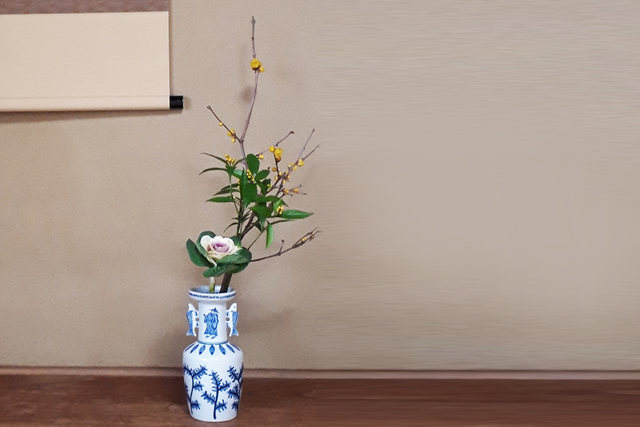
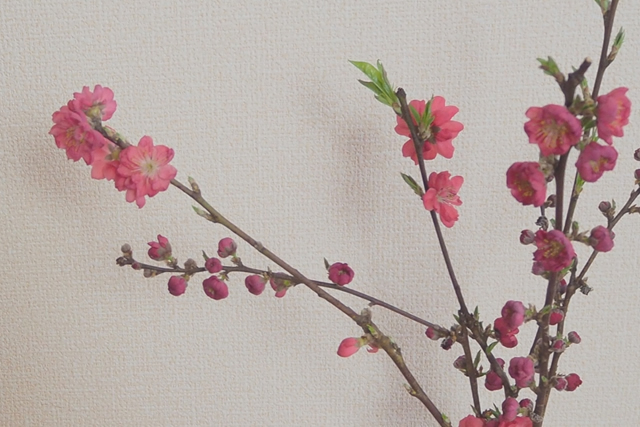
Reading the Flower: What the Host Tells You
An experienced tea ceremony guest can “read” the flower arrangement to understand deeper meanings:
Timing: Early blooms suggest anticipation, full blooms celebrate the present, and fading flowers acknowledge impermanence.
Direction: A flower leaning toward guests suggests welcome; one reaching upward might suggest aspiration.
Companions: If two stems are used, they might represent harmony, duality, or conversation.
Condition: A flower showing signs of age or imperfection embraces wabi-sabi—finding beauty in transience and imperfection.
Learning to Appreciate Chabana at Tea Ceremony Canon Kyoto
Appreciating chabana requires slowing down and truly looking—something that comes naturally in the context of tea ceremony. At Tea Ceremony Canon Kyoto, your hosts will draw your attention to the flower arrangement in the tokonoma and explain its significance.
Located right next to the first torii gate of Fushimi Inari Shrine, the area itself is rich with seasonal natural beauty. The shrine grounds feature camellias in winter, cherry trees in spring, lush greenery in summer, and blazing maples in autumn. This immediate connection to nature makes the seasonal flowers in your tea ceremony feel even more meaningful—you might have just walked past similar flowers blooming along the shrine path.
Your instructors will help you understand:
- Which flower has been chosen and why
- What season or natural moment it represents
- How to appreciate the arrangement’s simplicity
- The relationship between the flower and the scroll or other elements
This guidance transforms what might seem like “just a flower” into a carefully considered element that deepens the entire tea ceremony experience. You’ll learn to see the thought and care behind the simple placement of a single stem.
After your ceremony, as you walk through Fushimi Inari’s torii gates and forested paths, you’ll find yourself noticing wildflowers and seasonal plants with new eyes. That moss-covered rock with a small fern, that twisted branch with a few remaining leaves, that vine climbing naturally up a stone lantern—these are all chabana in nature, waiting to be recognized.
You can further enhance your experience using the Kimono Rental Service at Canon Kyoto
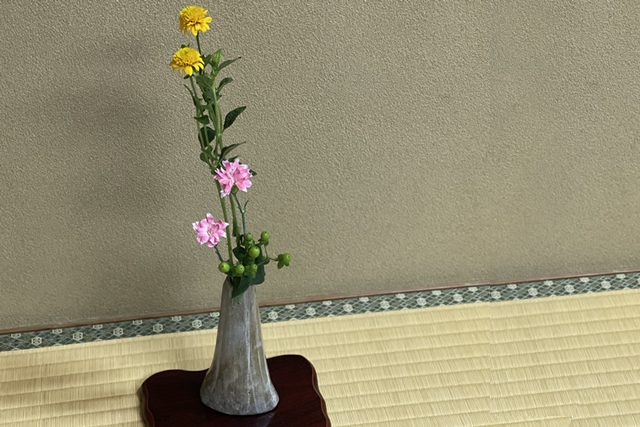
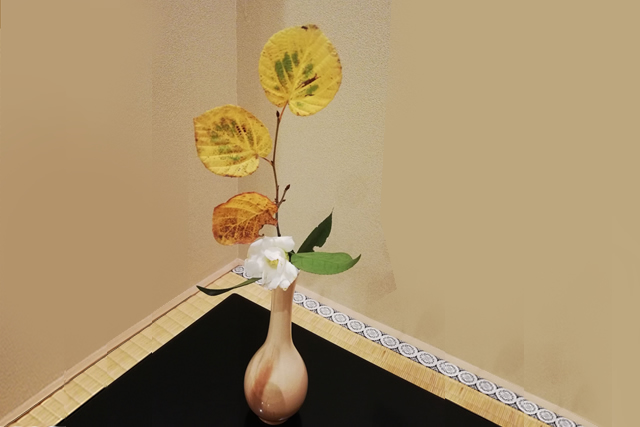
The Flower's Brief Life
One of chabana‘s most poignant aspects is its impermanence. The flower arrangement exists only for this one gathering. By tomorrow, the flower may have wilted. Even if the same flower were used again, it would be different—slightly more open, or fading, or facing a different direction as it follows the light.
This impermanence connects directly to the concept of ichigo ichie (one time, one meeting). The flower’s fleeting beauty reminds us that this moment—this gathering, this conversation, this bowl of tea—will never happen again. The flower’s vulnerability mirrors our own transient existence.
Yet there’s no sadness in this. Instead, the flower’s brief display of beauty becomes all the more precious because it’s temporary. We appreciate it fully now, in this moment, because tomorrow it will be gone.
A Microcosm of the Natural World
A single flower in a tea room becomes a microcosm—a small universe containing all of nature. In one stem, you can see:
- The season’s character
- The weather’s influence
- The passage of time
- The cycle of growth and decline
- The beauty of imperfection
- The wisdom of simplicity
This is why chabana matters in tea ceremony. It’s not decoration. It’s not filler. It’s a living meditation on nature, time, and beauty, distilled into its simplest form.
When you sit in a tea room and notice that single flower leaning slightly in its bamboo container, you’re seeing one of the most refined aesthetic achievements of Japanese culture: the ability to recognize that sometimes one flower is not too little—it’s exactly enough.
The camellia leans slightly, catching morning light. One flower, one moment, one entire season contained in a simple bamboo tube. This is chabana—not arranging flowers, but inviting nature into conversation.
Canon Kyoto Tea Ceremony Booking
Please Select Your Booking Option:
🇺🇸 English Booking Form
If you’re comfortable proceeding in English,
you can complete your reservation using the booking form below.
🌐 Multilingual Booking Page
If you’d prefer to view the booking page in your native language,
please click here to access our Multilingual Booking Form.


