
Understanding Wabi-Sabi: The Essence of Japanese Beauty in Tea Ceremony
If you’ve explored Japanese aesthetics, you’ve probably encountered the term wabi-sabi. It’s often translated as “the beauty of imperfection” or “finding elegance in simplicity,” but these phrases barely scratch the surface of this profound philosophy. To truly understand wabi-sabi, you need to experience it—and there’s no better place than in a traditional tea room.
What is Wabi-Sabi?
Wabi-sabi (侘寂) is actually a compound of two separate concepts that evolved over centuries:
Wabi (侘) originally meant the misery of living alone in nature, away from society. Over time, it transformed to describe a peaceful simplicity, a contentment with modest circumstances, and the beauty found in rustic, unadorned things.
Sabi (寂) relates to the beauty that comes with age—the patina on bronze, the weathering of wood, the fading of colors. It celebrates the passage of time and the marks it leaves behind.
Together, wabi-sabi represents an aesthetic worldview that finds profound beauty in imperfection, impermanence, and incompleteness. It’s the opposite of the Western ideal of flawless perfection, eternal youth, and glossy finish.
The Philosophical Roots
Wabi-sabi is deeply connected to Zen Buddhism and its teachings about impermanence (mujo) and the acceptance of transience. Nothing lasts forever, nothing is perfect, and nothing is complete—and that’s not something to mourn but to appreciate.
This philosophy emerged most clearly through tea ceremony in the 16th century, particularly through the work of tea master Sen no Rikyū, who rejected the ornate, luxurious tea gatherings favored by the ruling class and instead championed simplicity, natural materials, and humble aesthetics.
In the Tea Room
When you enter a traditional tea room, you’re surrounded by wabi-sabi. Every element embodies this aesthetic:
The Tea Room Itself:
- Small, intimate spaces rather than grand halls
- Natural, unfinished materials: rough clay walls, exposed wood beams
- Subdued lighting from paper screens rather than bright illumination
- Asymmetric design that feels organic rather than formally balanced
- Visible wood grain, knots, and irregularities that celebrate the tree’s natural character
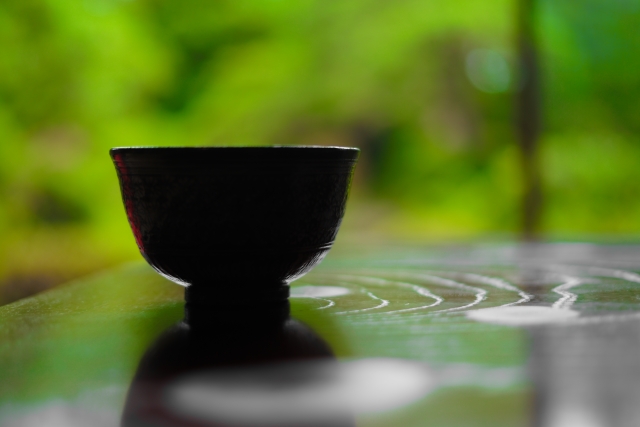
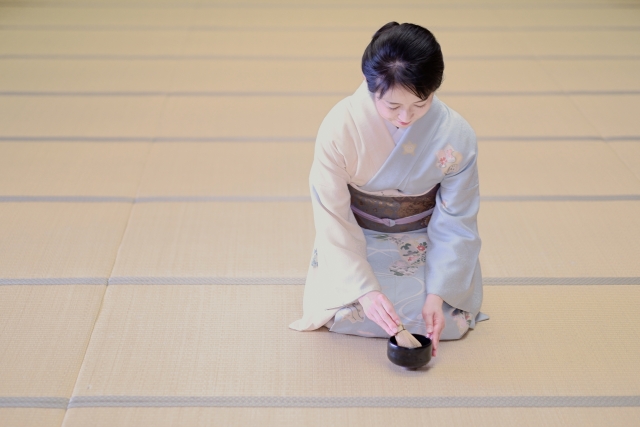
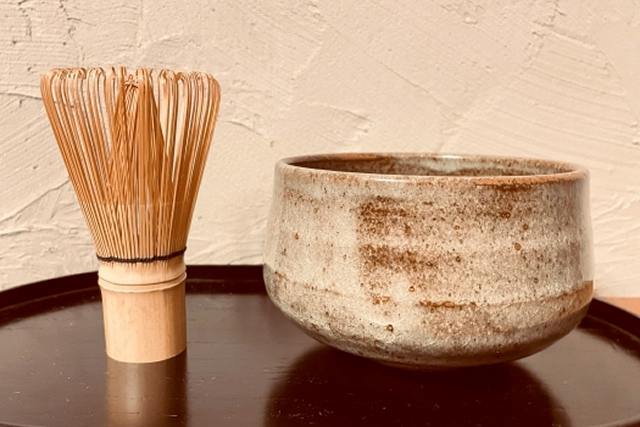
The Tea Bowl (Chawan): This is where wabi-sabi becomes most tangible. A tea bowl used in ceremony might have:
- Irregular shape—no two sides exactly the same
- Uneven glaze with drips, pools, and variations
- Rough texture in places, smooth in others
- Small imperfections: a tiny chip, a crack, perhaps repaired with gold (kintsugi)
- Colors that seem muted, earthy, not bright or flashy
These aren’t flaws—they’re what makes the bowl unique and beautiful. A perfectly symmetrical, machine-made bowl would feel cold and lifeless by comparison.
The Flowers (Chabana): Tea ceremony flower arrangements are deliberately simple:
- Often a single stem or just a few flowers
- Arranged to look natural, as if growing wild
- Branches might be twisted or bent
- Leaves may show signs of age or insect damage
- The container is often rustic: bamboo, rough ceramic, or a weathered basket
This contrasts sharply with elaborate ikebana displays. Chabana celebrates the flower’s natural character rather than human manipulation.
Other Utensils:
- Bamboo tea scoops might show age through darkening patina
- Tea caddies often have subtle, understated designs
- Silk cloths may have faded colors or gentle wear
- Nothing is shiny, new-looking, or ostentatious
Seven Principles
While wabi-sabi resists rigid definition, these characteristics help identify it:
1. Kanso (簡素) – Simplicity Eliminating clutter and unnecessary elements. What remains is essential and meaningful.
2. Fukinsei (不均斉) – Asymmetry/Irregularity Avoiding perfect balance, which can feel static and lifeless. Natural things are rarely symmetrical.
3. Shibumi (渋み) – Subtle beauty Quiet elegance rather than flashy decoration. Beauty that reveals itself slowly.
4. Shizen (自然) – Naturalness Without artifice or pretension. Objects that show their true nature and materials.
5. Yugen (幽玄) – Subtle profundity Hints of depth and mystery rather than obvious meaning. Leaving room for imagination.
6. Datsuzoku (脱俗) – Freedom from convention Transcending standard rules and expectations. Finding fresh perspectives.
7. Seijaku (静寂) – Tranquility The stillness and peace that comes from accepting things as they are.
Contrasting Aesthetics: West vs. Japan
To understand wabi-sabi, it helps to see how it differs from Western aesthetic ideals:
Western ideal:
- Perfection and flawlessness
- Permanent, lasting materials (marble, gold)
- Bright, even lighting
- Symmetry and formal balance
- New and pristine appearance
- More is better—abundance and fullness
Wabi-sabi:
- Imperfection and uniqueness
- Natural, aging materials (wood, clay, bamboo)
- Soft, subtle lighting
- Asymmetry and organic balance
- Aged and weathered appearance
- Less is more—simplicity and emptiness
Neither is better—they simply reflect different values and philosophies about what makes something beautiful.
Learning to See Wabi-Sabi
For visitors new to Japanese aesthetics, wabi-sabi can be challenging to recognize at first. Your eye might be drawn to what seems plain or even shabby. But with guidance and attention, you begin to see differently.
Practice looking for:
- The unique grain in a wooden beam
- How light falls softly through paper screens
- The irregular rim of a hand-formed tea bowl
- The single wildflower leaning naturally in its vase
- The quietness of muted, earthy colors
- The story told by objects that show their age
It’s about shifting from judging based on perfection to appreciating authenticity and character.
Experiencing Wabi-Sabi at Tea Ceremony Canon Kyoto
The philosophy of wabi-sabi comes alive when you experience it in context. Tea Ceremony Canon Kyoto offers an ideal setting for encountering this aesthetic firsthand. Located right next to first torii gate of Fushimi Inari Shrine, the tea room itself embodies the connection between wabi-sabi and nature.
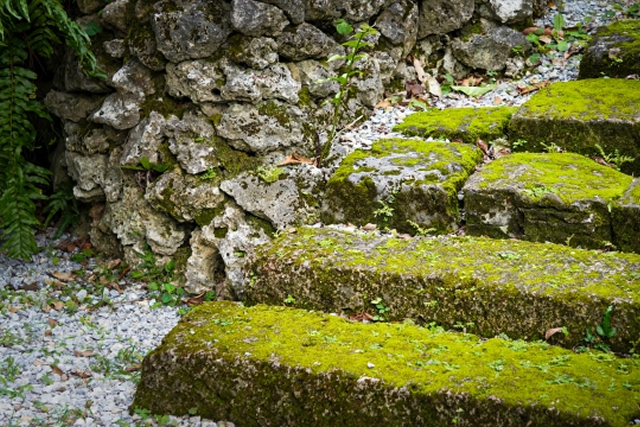
The shrine area, with its thousands of vermillion torii gates weathered by time and weather, its moss-covered stone lanterns, and its ancient trees, is itself a living example of wabi-sabi. The gates show their age through faded paint and worn wood. The stone paths are uneven from centuries of footsteps. Nature and human creation exist in imperfect harmony.
During your tea ceremony experience at Canon Kyoto, your instructors will help you notice and appreciate wabi-sabi elements:
- The tea bowls chosen for your session, each with its own character
- The way natural light enters the tea space
- The seasonal flowers arranged with deliberate simplicity
- The worn beauty of the tea utensils
This hands-on experience is far more powerful than reading descriptions. When you hold that irregular tea bowl, feel its texture, see how the glaze pooled in unexpected ways—that’s when wabi-sabi transforms from concept to understanding.
The location and kimono rental service enhances this learning. After your tea ceremony, you can walk through Fushimi Inari in kimono with newly opened eyes, noticing the wabi-sabi all around you: weathered wood, moss patterns, the way stone steps have been worn smooth by countless pilgrims.
Wabi-Sabi Beyond the Tea Room
Once you begin to see with wabi-sabi eyes, you’ll notice it throughout Japan:
In gardens:
- Deliberately aged materials
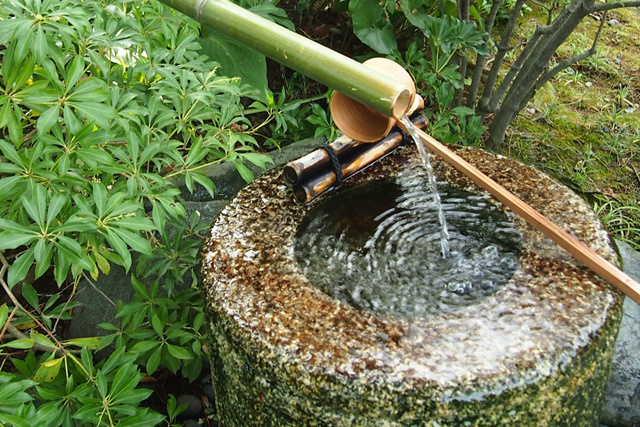
- Moss encouraged to grow on stones and lanterns
- Pruned trees that look naturally windswept
- The beauty of fallen leaves on a path
In architecture:
- Exposed wood beams showing their natural grain
- Thatched roofs weathered by seasons
- Paper screens that filter and soften light
- Buildings designed to age gracefully
In everyday objects:
- Handmade pottery with fingerprints visible in the clay
- Bamboo that darkens and develops character over time
- Textiles that fade to beautiful muted tones
- Tools that show the marks of use
In nature itself:
- Cherry blossoms celebrated partly because they’re fleeting
- Autumn leaves admired as they fall and fade
- The moon partially hidden by clouds
- Weathered rocks along a stream
Why Wabi-Sabi Matters Today
In our modern world of manufactured perfection, planned obsolescence, and constant upgrades, wabi-sabi offers a refreshing alternative philosophy. It teaches us to:
- Value the old and well-used over the new and disposable
- Find beauty in natural aging rather than fighting it
- Appreciate uniqueness over mass-produced uniformity
- Embrace imperfection as character, not defect
- Cultivate contentment with “enough” rather than always wanting more
This isn’t just about aesthetics—it’s a way of living more mindfully and sustainably, with less stress and more appreciation for what already exists.

Finding Your Own Wabi-Sabi Perspective
As you explore tea ceremony and Japanese culture, allow yourself to shift perspective:
Instead of looking for the most impressive, look for the most genuine. Instead of seeking perfection, notice character and authenticity. Instead of wanting everything new, appreciate the stories worn objects tell. Instead of bright and flashy, let your eye rest on subtle and quiet.
This shift won’t happen immediately—it’s a gradual process of retraining how you see. But once you begin to perceive beauty through the lens of wabi-sabi, you’ll find it everywhere, not just in Japan but in your own daily life.
The tea bowl waits, imperfect and beautiful. The room sits quietly, embracing its shadows. The flower leans naturally in its vase. This is wabi-sabi—not something to understand intellectually, but something to feel and experience with your whole being.
Canon Kyoto Tea Ceremony Booking
Please Select Your Booking Option:
🇺🇸 English Booking Form
If you’re comfortable proceeding in English,
you can complete your reservation using the booking form below.
🌐 Multilingual Booking Page
If you’d prefer to view the booking page in your native language,
please click here to access our Multilingual Booking Form.


